
Of all the fluid services your vehicle needs, the coolant flush is one of the most consistently deferred and misunderstood. Many drivers assume coolant lasts forever — or at least as long as they own the vehicle. The reality is that coolant degrades over time, and the consequences of neglecting it extend far beyond the cooling system itself. At Norm’s Auto Clinic in Coweta, Oklahoma, we include a coolant condition check in every service visit because we see what degraded coolant does to engines and cooling systems over time.
What Coolant Actually Does
Coolant (antifreeze) does four things: it transfers heat away from the engine, it prevents freezing in cold weather, it prevents boiling in hot weather, and — critically — it protects the metal surfaces of the cooling system from corrosion. That fourth function is the one most drivers don’t think about, and it’s the one most affected by coolant age.
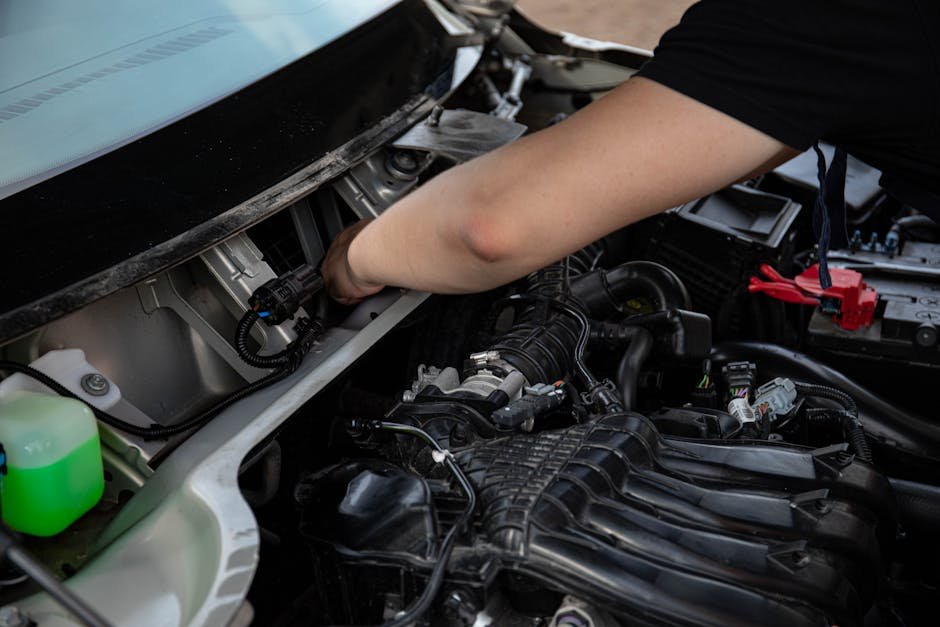
Coolant contains a package of corrosion inhibitors that protect aluminum engine components, cast iron blocks, copper radiators, and steel cooling system parts from the electrochemical reactions that cause rust and corrosion. As the vehicle ages and the coolant cycles through heat and pressure, these inhibitors are consumed. Old coolant without functional inhibitors becomes corrosive — actively eating away at the system it’s supposed to protect.
How Often Should Coolant Be Flushed?
Coolant service intervals vary by coolant type:
- Green/conventional coolant (IAT — Inorganic Additive Technology): Every 2 years or 30,000 miles. Older formulation with shorter inhibitor life.
- Orange/red extended-life coolant (OAT — Organic Acid Technology): Every 5 years or 150,000 miles per many manufacturers. Common in GM vehicles post-1996 and many imports.
- Yellow/gold/blue HOAT (Hybrid OAT): Every 5 years or 100,000 miles. Common in Ford, Chrysler, and many European vehicles.
Our recommendation for Oklahoma drivers: regardless of coolant type, have the condition tested at your regular service interval. A test strip or refractometer check takes seconds and tells you whether the inhibitors are still functional — because the 5-year interval assumes the vehicle was always filled with the correct coolant, which isn’t always the case in practice.
What Happens When Coolant Goes Bad
Degraded coolant that has lost its corrosion inhibitors becomes slightly acidic. In this state it:
- Corrodes aluminum engine components — cylinder heads, water jackets, intake manifolds
- Eats radiator tanks (plastic tanks attach to aluminum cores with gaskets — acidic coolant attacks the gaskets)
- Deposits scale and rust inside the cooling passages, reducing flow and heat transfer efficiency
- Attacks water pump seals and impellers, accelerating pump failure
- Causes heater core leaks — an expensive repair requiring dashboard removal on many vehicles
Coolant Flush vs Drain and Fill
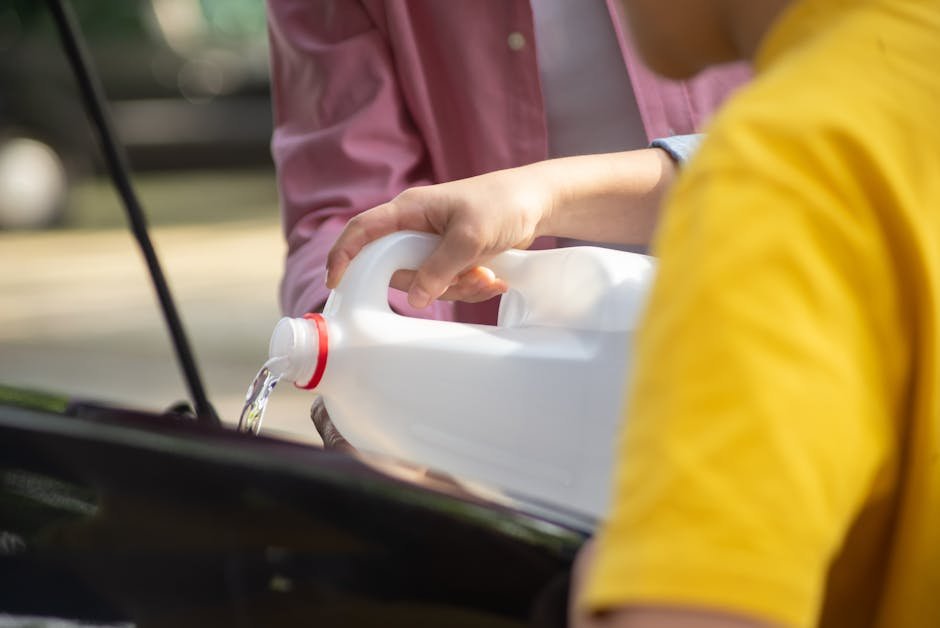
A drain and fill removes the coolant that drains from the drain petcock or lower radiator hose — typically 50–70% of total system volume. A machine flush uses a flushing machine to push fresh coolant through the entire system, removing close to 100% of old fluid including what remains in the engine block passages and heater core.
For routine maintenance with coolant in good condition, a drain and fill is adequate. If the coolant is degraded, discolored, or has been mixed with multiple types over years, a machine flush is the better choice to fully clean the system before refilling with fresh, correctly-specced coolant.
Coolant Flush Cost in Oklahoma
- Drain and fill: $80–$130
- Machine flush: $100–$180
These are among the most cost-effective preventive services available. Compared to a heater core replacement ($600–$1,500), a radiator replacement ($400–$800), or water pump damage from corrosion, a coolant flush is a negligible expense.
Coolant Service at Norm’s Auto Clinic
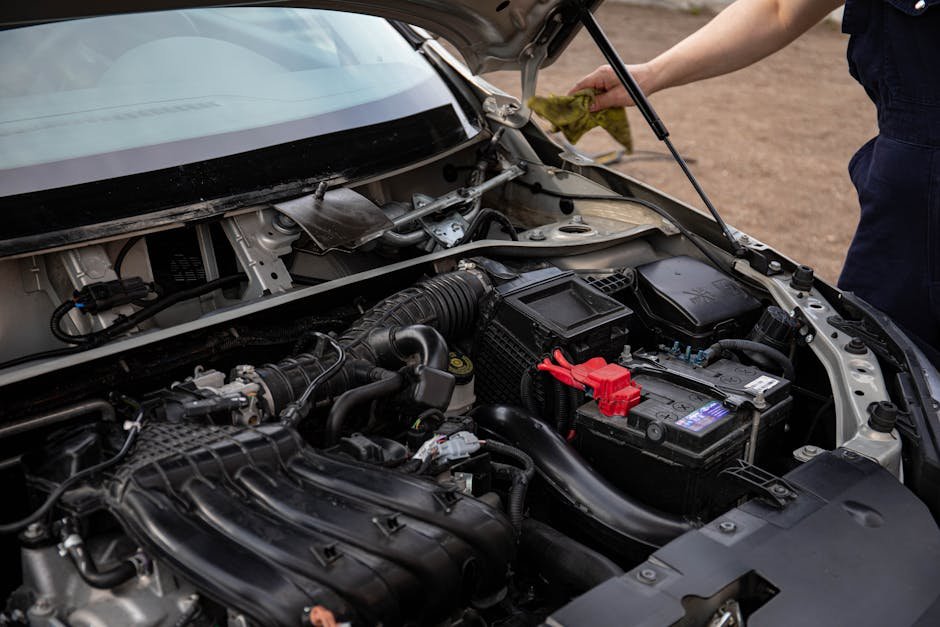
We test coolant condition at every service visit and will recommend a flush only when it’s genuinely needed. We use the correct coolant specification for your vehicle — never a one-size-fits-all generic that might not be compatible with your system’s inhibitor package. Find us at 19 N. Broadway, Coweta, OK 74429 or call (918) 279-8100.