
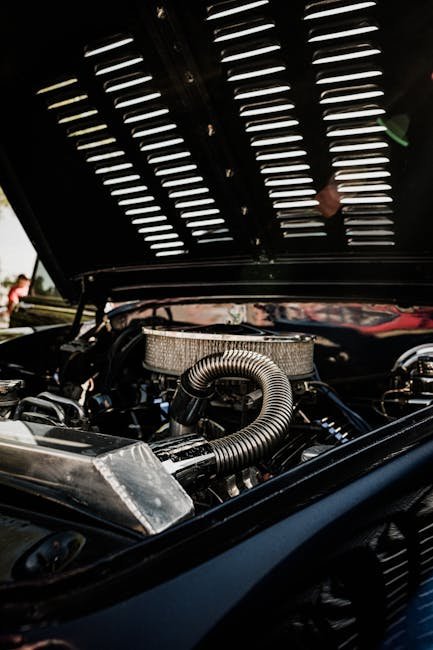
Your vehicle’s cooling system keeps the engine operating within its optimal temperature range — typically between 195°F and 220°F. When the cooling system fails, engine temperatures climb rapidly, and the consequences range from costly head gasket damage to complete engine destruction. In Oklahoma’s summer heat, a cooling system that’s only marginally functional in March can fail entirely by July, leaving you stranded on the roadside with a dangerously overheated engine.
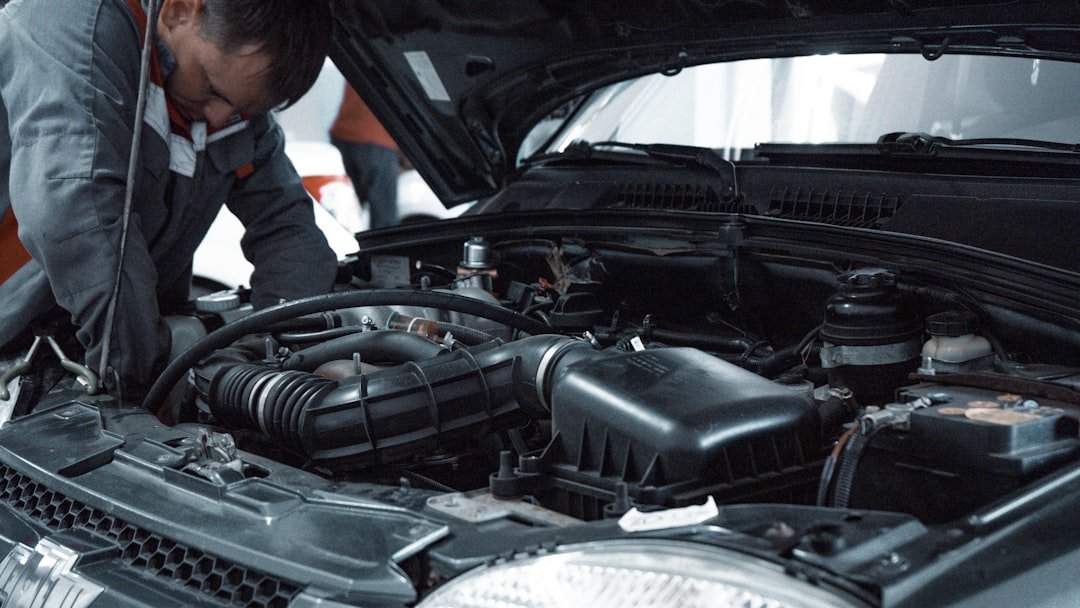
At Norm’s Auto Clinic in Coweta, Oklahoma, cooling system service is one of our most important preventive maintenance offerings. We diagnose the root cause of overheating or cooling system problems — whether it’s degraded coolant, a failing thermostat, a water pump on its way out, or a more significant radiator or head gasket issue. You’ll get a clear explanation of what we found and a written estimate before any work begins.
Warning Signs of Cooling System Problems
- Temperature gauge reading high or in the red — act immediately; pull over safely, turn off the engine, and let it cool before investigating
- Steam or smoke from under the hood — indicates coolant escaping from the cooling system under pressure; do not continue driving
- Sweet smell from engine area — coolant has a distinctive sweet smell; this odor under the hood or in the cabin indicates a coolant leak
- Coolant puddles under the vehicle — coolant is typically green, orange, pink, or blue depending on type; a puddle under the front of your vehicle warrants investigation
- Heater not producing heat — the cabin heater uses engine coolant; low coolant or a stuck thermostat can cause the heater to blow cold air even when the engine is warm
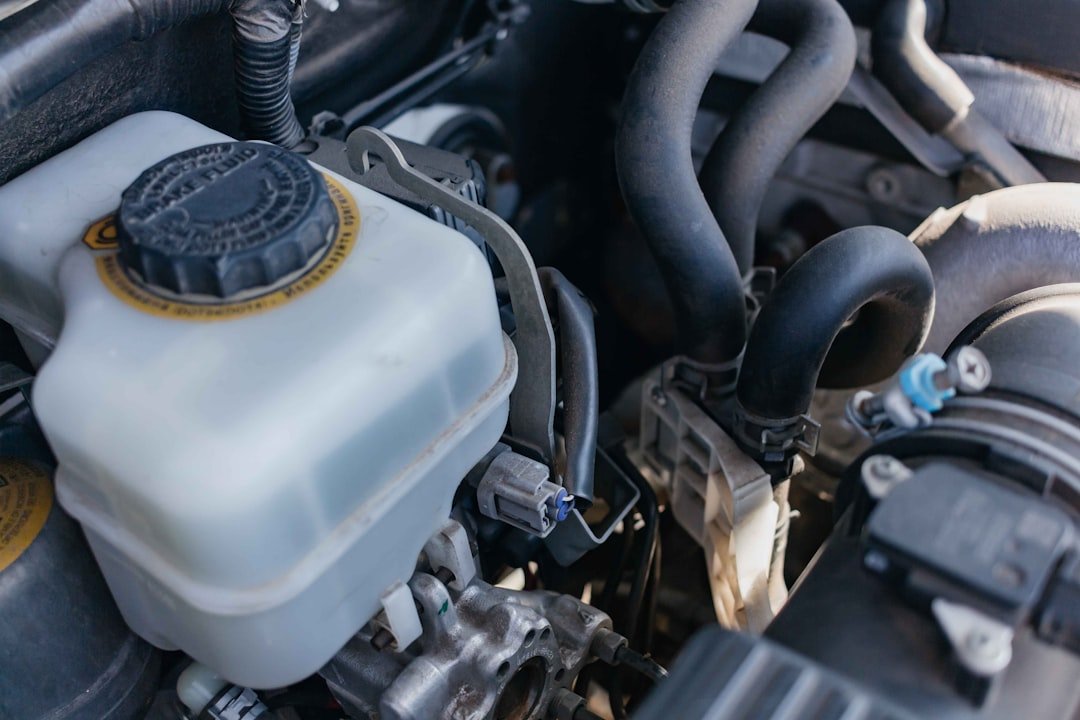
- Bubbling in the coolant reservoir — bubbles in the overflow bottle when the engine is running can indicate combustion gases entering the cooling system — a sign of head gasket issues
Cooling System Services at Norm’s
- Coolant flush and refill — remove degraded coolant, flush the system, and refill with the correct coolant type for your vehicle (HOAT, OAT, NOAT as required)
- Thermostat replacement — a stuck-open thermostat causes the engine to run cool and inefficiently; stuck-closed causes rapid overheating
- Water pump replacement — the water pump circulates coolant throughout the system; bearing failure or impeller wear causes cooling system failure
- Radiator replacement — cracked, clogged, or damaged radiators must be replaced; we source quality units with appropriate warranty
- Radiator hose replacement — hoses age and crack over time; a burst hose can cause rapid coolant loss and engine damage
- Pressure testing — identify leaks in the system that aren’t immediately visible with a cooling system pressure test
- Head gasket diagnosis — if coolant is being consumed internally, we perform combustion gas testing to evaluate head gasket integrity
Coolant Flush: Why It Matters More Than People Think
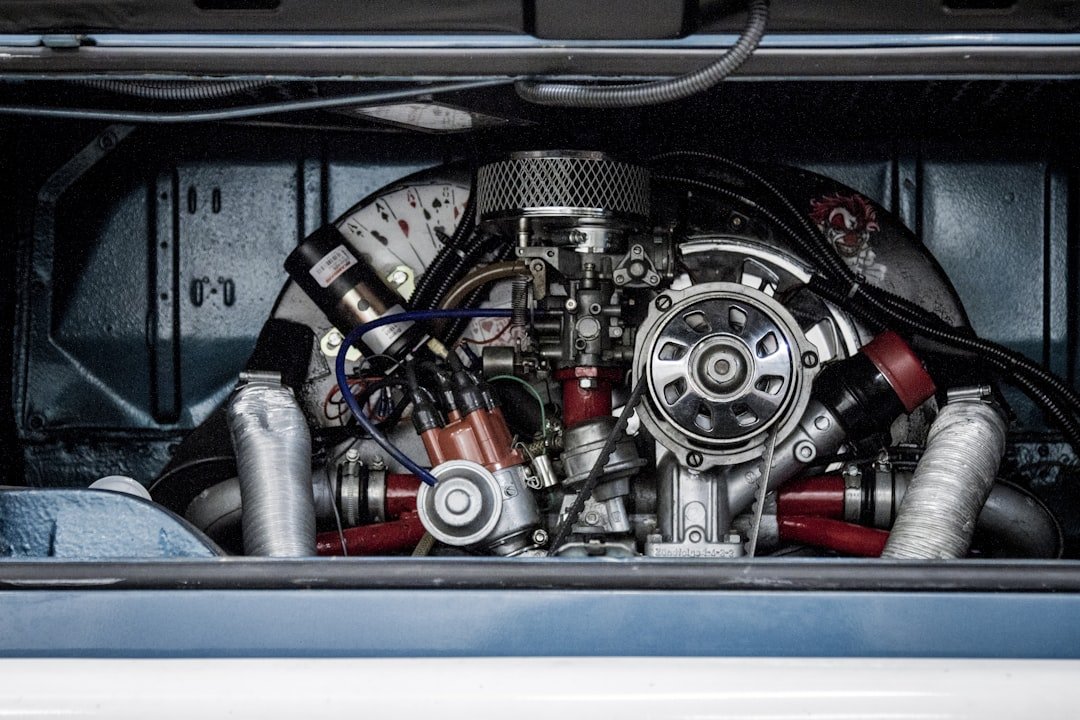
Coolant isn’t just water with green dye — it contains corrosion inhibitors that protect the aluminum components of modern cooling systems. These inhibitors deplete over time, and old coolant becomes acidic, actively corroding water pumps, radiators, and thermostat housings. A coolant flush every 2–3 years (or 30,000–50,000 miles) is one of the most cost-effective ways to extend the life of your entire cooling system.
Oklahoma’s heat adds urgency to this service. The same coolant that provides freeze protection in winter also raises the boiling point of the coolant mixture, providing critical overheating protection in Oklahoma summers. A 50/50 mix of coolant and distilled water raises the boiling point significantly above pure water — but only if the coolant is in good condition. Degraded coolant provides less boiling point protection exactly when you need it most.
Cooling System FAQ
What do I do if my car starts overheating?
Turn off the AC immediately (it adds engine load), turn on the heater (it dissipates heat from the coolant into the cabin), and find a safe place to pull over. Turn off the engine and do not open the radiator cap while the engine is hot — pressurized coolant will spray out and can cause serious burns. Call us at (918) 279-8100 for guidance on whether your vehicle can be driven carefully to the shop or needs to be towed.
Can I use water instead of coolant in an emergency?
Plain water can be used as a temporary emergency measure to get to a shop, but it should not be driven with long-term. Water has a lower boiling point than a coolant mixture, provides no corrosion protection, and in Oklahoma winters can freeze and crack your engine block. If you add water in an emergency, have the system properly flushed and refilled with the correct coolant mixture as soon as possible.
How much does cooling system repair cost?
Coolant flush: –. Thermostat replacement: – depending on vehicle. Water pump: – (often done with timing belt for efficiency). Radiator replacement: – depending on vehicle. Head gasket repair: ,200–,500+. Early diagnosis and maintenance prevents the most expensive end of these ranges.
Cooling system concerns are best addressed before they escalate. Call Norm’s at (918) 279-8100 or stop by 19 N. Broadway, Coweta, OK 74429. We serve Coweta, Broken Arrow, Wagoner, Muskogee, and the greater Tulsa area.