
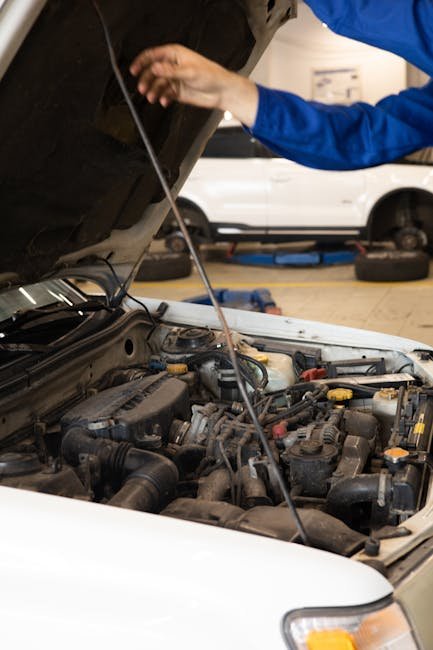
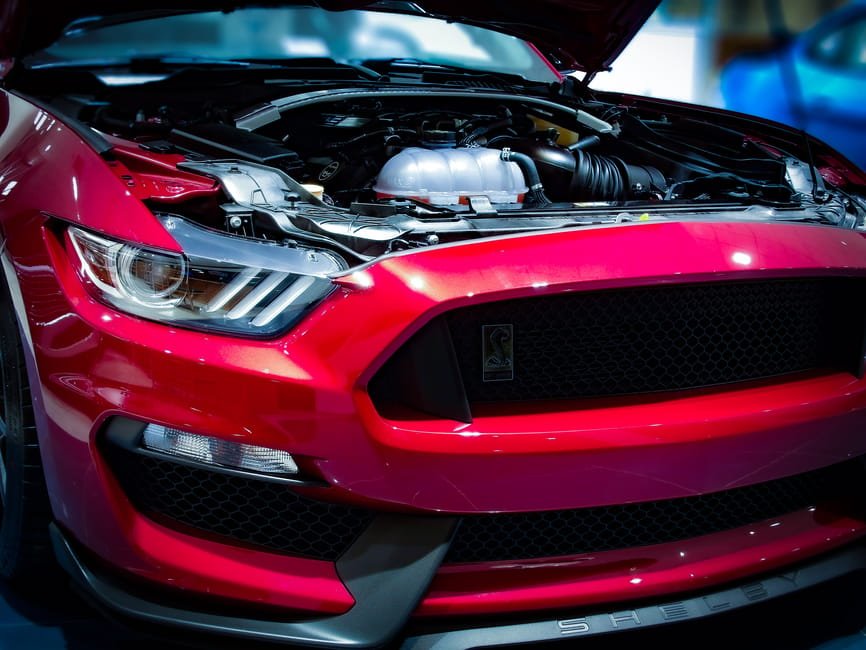
Ford’s EcoBoost engines — the turbocharged 2.7L V6, 3.5L V6, and 2.3L four-cylinder — have become ubiquitous across the F-150, Explorer, Escape, Edge, Mustang, and other Ford models. They deliver excellent power and fuel economy. But like all turbocharged direct-injection engines, they have specific failure modes that owners should understand. At Norm’s Auto Clinic in Coweta, we’ve diagnosed and repaired EcoBoost engines across the entire Ford lineup.
The #1 EcoBoost Problem: Intake Valve Carbon Buildup
Direct-injection engines spray fuel directly into the combustion chamber, bypassing the intake valves. In port-injected engines, fuel wash keeps intake valves clean. Without fuel wash, carbon from oil blow-by accumulates on the back of the intake valves over time. By 60,000–80,000 miles, significant deposits can cause rough idle, hesitation, loss of power, and misfires.
The fix is walnut shell blasting — a shop-only procedure where walnut shells are propelled into the intake ports under pressure to abrade the carbon deposits away. Cost at Norm’s: – depending on engine. This is preventive maintenance, not a crisis repair — the engine runs better afterward. Recommendation: do it at 60,000–70,000 miles proactively.
EcoBoost Timing Chain Issues
The 3.5L EcoBoost V6 has two timing chains — one per cylinder bank. These chains are lubricated by engine oil, which means oil change discipline directly determines chain life. With extended oil change intervals (pushing 10,000+ miles on an engine that’s frequently worked hard), chain stretch occurs. Symptoms:
- Rattling sound on cold starts that goes away after warm-up (early stage)
- Check engine light with cam timing codes (P0016, P0017, P0018, P0019)
- Rough idle or decreased power
Timing chain replacement on the 3.5L EcoBoost is a significant job requiring engine removal or at minimum major front-of-engine disassembly. Cost: ,500–,500. Prevention: full synthetic 5W-30, changed every 5,000–6,000 miles in Oklahoma heat.
Turbocharger Failures
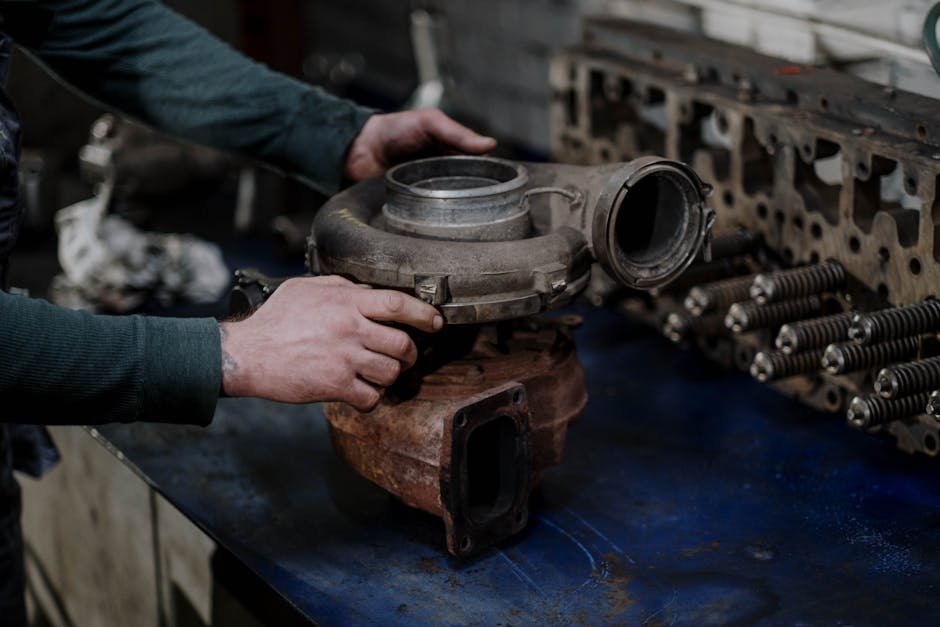
EcoBoost turbos run hot and hard. They’re fed by engine oil — meaning neglected oil changes or oil that breaks down from heat directly cause premature turbo wear. Common turbo failure symptoms:
- Blue or white smoke under boost: Indicates turbo seal failure — oil getting into the intake or exhaust
- Whining or grinding: Turbo bearing wear — catch early or the turbo wheel can fail into the engine
- Loss of power under load: A failing turbo loses boost pressure; the engine feels sluggish
Turbo replacement on a 3.5L EcoBoost: –,500 per turbo. Always idle 1–2 minutes after hard driving before shut-off — this prevents oil coking in the turbo bearings from residual heat.
EcoBoost Cooling System Issues
The 2.3L EcoBoost (Mustang, Explorer) and some 1.5L models (Escape) had documented cooling system issues. The 1.5L Escape had a recall for coolant entering the combustion chamber — check your VIN if you have a 2017–2018 Escape with a 1.5L. The 2.3L EcoBoost uses an integrated exhaust manifold in the cylinder head that runs very hot — coolant system integrity is critical.
EcoBoost Engine Service in Coweta, Oklahoma
If your EcoBoost-powered Ford is showing signs of carbon buildup, timing chain wear, or turbo concerns, bring it to Norm’s Auto Clinic in Coweta for an honest diagnosis. We serve Ford owners throughout Wagoner County, Broken Arrow, Muskogee, and the Tulsa area. Visit us at 19 N. Broadway, Coweta, OK 74429, or call (918) 279-8100.