
The Ford Explorer and Edge are two of the most popular family SUVs in northeastern Oklahoma. The Explorer’s three-row capability makes it a go-to for larger families, while the Edge’s sportier profile suits two-row buyers who want more style. Both are capable vehicles with genuine strengths — but they also have well-documented failure patterns that Oklahoma owners should understand.
At Norm’s Auto Clinic, we service both models regularly and have developed a clear picture of where they need the most attention at different mileage points.

Explorer Transmission: The 6F35 and SelectShift Issues
The 2011–2019 Ford Explorer with the 6-speed SelectShift automatic transmission has a documented judder, shudder, and harsh engagement problem — particularly on cold mornings. Ford issued TSBs and extended warranty coverage for some affected vehicles. The fix involves a transmission fluid exchange with a revised fluid formulation and potentially a torque converter replacement on more severely affected units.
The 2020+ Explorer moved to a 10-speed transmission, which is generally smoother but has its own shudder complaints similar to those seen on the F-150. Software calibration updates from Ford address most cases. If your Explorer hesitates, shudders, or shifts harshly, have it diagnosed — catching transmission issues early prevents expensive mechanical damage.
Transmission fluid service every 40,000–60,000 miles is essential on both generations. Ford lists the fluid as ‘lifetime’ in some documentation, but in practice, heat and Oklahoma’s stop-and-go traffic degrade the fluid long before the vehicle’s lifetime.
Explorer 4WD IWE Hub Problems
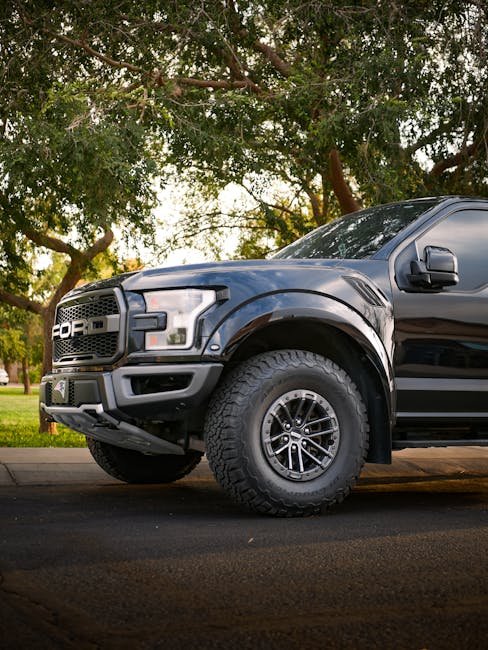
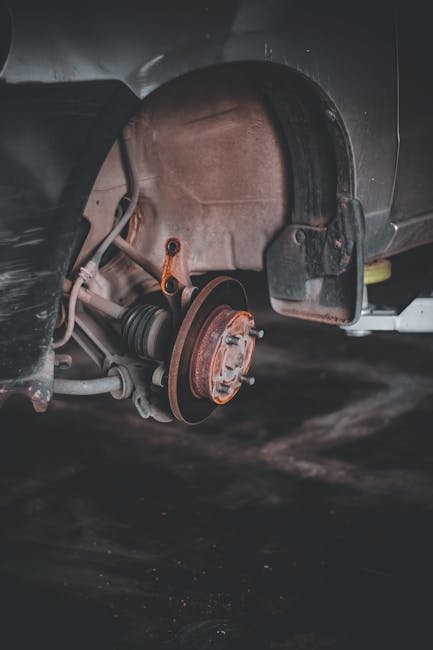
One of the most common complaints on 2011–2019 Ford Explorer, F-150, and Expedition models with the 4WD IWE (Integrated Wheel End) system is a grinding, humming, or growling noise from the front end during normal driving. This is caused by the vacuum-actuated IWE hubs failing to fully disengage after 4WD use — the front hub remains partially engaged, which causes bearing wear and the characteristic noise.
The fix involves replacing the IWE actuators and often the hub bearings as well. This repair costs –,200 depending on how many hubs are affected. If you hear a front-end noise that changes with vehicle speed on your Explorer or Edge, have it diagnosed immediately — driving with a failed IWE hub will eventually damage the front axle shaft as well.
Edge and Explorer EcoBoost Engine Issues
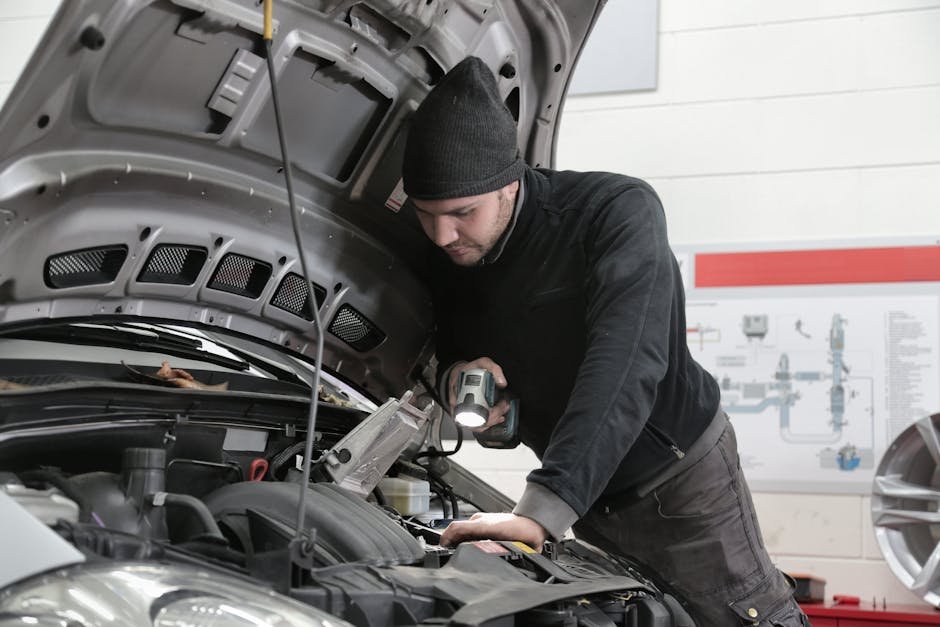
The 2.0L EcoBoost in the Edge and some Explorer trims shares the direct injection carbon buildup and turbo maintenance concerns of the F-150’s EcoBoost. Strict 5,000–7,500 mile oil changes with full synthetic, using the correct Ford-spec viscosity, are essential for turbo longevity. The Edge’s 2.7L EcoBoost (Sport and ST trims) is a stronger engine but equally demands consistent oil changes.
We also see cooling system issues on higher-mileage Explorers — the degas bottle (coolant reservoir) cracks on some models, causing slow coolant loss that can lead to overheating. Annual cooling system inspections and a coolant flush every 60,000 miles are worthwhile investments for Explorer longevity.
Ford SUV Service at Norm’s Auto Clinic
Norm’s Auto Clinic services the full range of Ford SUVs and is experienced with the IWE issues, EcoBoost maintenance, and transmission service that keep these vehicles running well in Oklahoma’s climate.
Call (918) 279-8100 or visit 11150 S 265th E Ave, Coweta, OK 74429. We serve Ford owners from Coweta, Broken Arrow, Wagoner, and the Tulsa metro — Monday through Friday, 8am–5pm.