
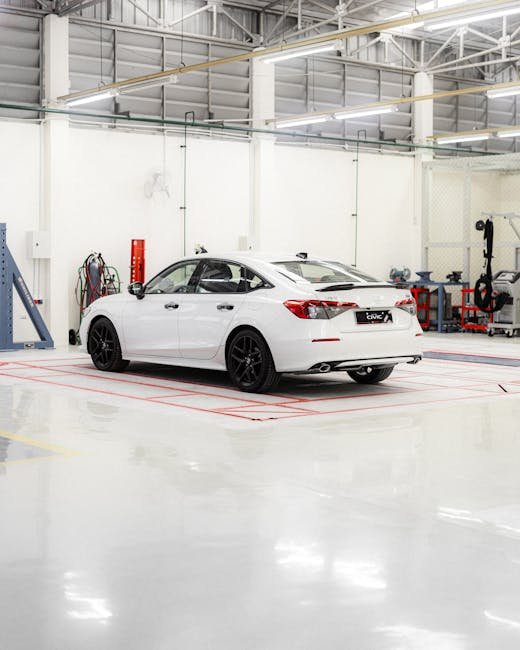
The Honda Civic has earned its reputation as one of the most reliable compact cars ever built. With proper maintenance, a Civic can easily reach 200,000 miles — and many owners push well beyond that. At Norm’s Auto Clinic in Coweta, Oklahoma, we service Civics from every generation and know exactly what these cars need to stay on the road for the long haul.
Whether you drive a commuter Civic between Coweta and Tulsa, use it for local errands around Broken Arrow, or rely on it as your family’s primary car, this guide covers the full maintenance schedule, common failure points, and what you can do to protect your investment.

Honda Civic Maintenance Schedule

Honda uses a Maintenance Minder system on 2006 and newer Civics that calculates service intervals based on driving conditions rather than fixed mileage. The system generates codes (A, B, 1, 2, 3, etc.) to indicate what service is needed. However, for Oklahoma drivers dealing with heat, short trips, and occasional dirt roads, we recommend not waiting for the maximum interval the Minder allows.
Every 5,000 Miles / 6 Months
- Engine oil and filter change (0W-20 full synthetic for 2012+ Civics; 5W-20 for older models)
- Tire rotation and pressure check
- Visual inspection: lights, leaks, belts
Every 15,000–30,000 Miles
- Cabin air filter inspection and replacement
- Engine air filter inspection
- Brake inspection: pad thickness, rotor condition, caliper function
- Fluid level check: coolant, brake, power steering (older models)
Every 30,000 Miles
- Transmission fluid change (CVT fluid or automatic fluid depending on generation)
- Brake fluid flush (Honda recommends every 3 years regardless of mileage)
- Spark plug inspection
- Drive belt inspection
Every 60,000–100,000 Miles
- Spark plug replacement (iridium plugs on modern Civics)
- Timing chain inspection (Civic engines use chains, not belts — but inspect at high mileage)
- Coolant replacement
- Full suspension inspection: struts, CV axle boots, tie rods
- Fuel system cleaning if experiencing rough idle or hesitation
Common Honda Civic Problems and What to Watch
1. Oil Consumption (2012–2015 1.8L Models)
The 9th generation Civic (2012–2015) with the 1.8L engine is known for excessive oil consumption in some units. Owners report needing to add a quart of oil between changes at normal intervals. Honda addressed this through piston ring updates and a warranty extension, but high-mileage vehicles may still consume oil. Check your oil level monthly if you have one of these Civics — running low damages the engine quickly.
2. CVT Issues (2015+ Models)
The continuously variable transmission (CVT) in newer Civics works well when maintained properly — but the CVT fluid must be changed every 30,000 miles. Many owners (and even some shops) use the “sealed for life” marketing claim as justification to never change it. A CVT replacement runs ,000–,000. A fluid change runs –. The math strongly favors changing the fluid on schedule.
3. Brake Pad Dust Accumulation
Honda Civics use front brake pads with a ceramic compound that produces low brake dust — but the rear brakes sometimes accumulate brake dust on the caliper and rotor surface, leading to premature wear. We see this frequently in Civics driven primarily on highways, where the rear brakes are rarely engaged hard. Annual brake inspections catch this before it becomes expensive.
4. AC Compressor Failures (Hot Climate)
In Oklahoma’s heat, Civic AC compressors see hard use from April through October. The compressors on 2001–2005 Civics are particularly prone to failure around 150,000 miles. Signs of a failing compressor include warm air output, a grinding noise when AC is engaged, or a clutch that engages and disengages repeatedly. Annual AC system checks before summer keep you ahead of this failure.
Oklahoma Driving and Your Civic
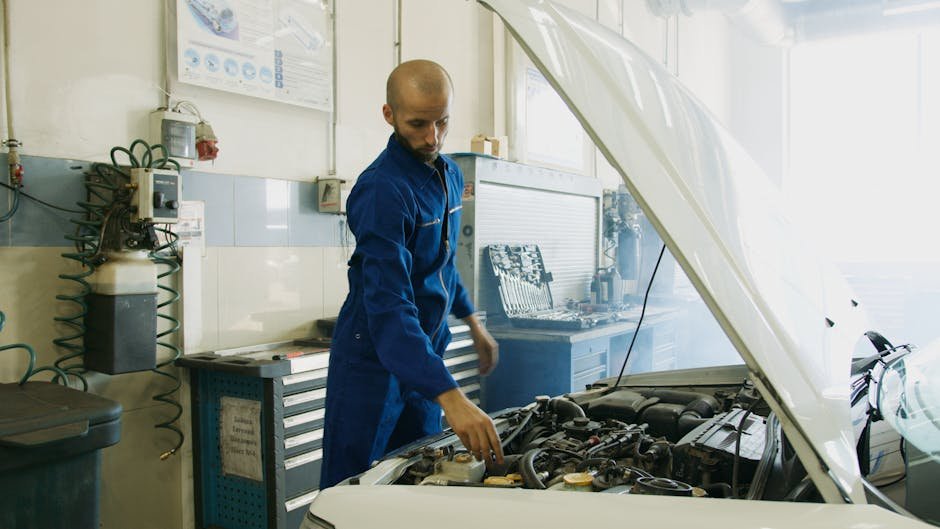
The Honda Civic is built for efficiency, which makes it popular for Coweta commuters who drive Highway 51 or the Creek Turnpike into Tulsa daily. That long highway mileage is actually easier on the engine than stop-and-go city driving — but it means tires wear at different rates and require rotation every 5,000 miles to stay even.
Oklahoma’s freeze-thaw cycle in winter creates pothole conditions that can affect wheel alignment and strut condition. If your Civic pulls to one side, vibrates at highway speed, or shows uneven tire wear, an alignment check (– at our shop) is the first step. Bent struts from hitting potholes need replacement before they cause tire and bearing damage.
Summer heat accelerates coolant degradation. The Civic’s cooling system is compact and efficient, but coolant that’s overdue for a flush can become acidic and corrode the aluminum engine block and head. We recommend a coolant flush every 5 years regardless of mileage — especially for Oklahoma vehicles that experience extreme heat cycles.
Honda Civic Service at Norm’s Auto Clinic
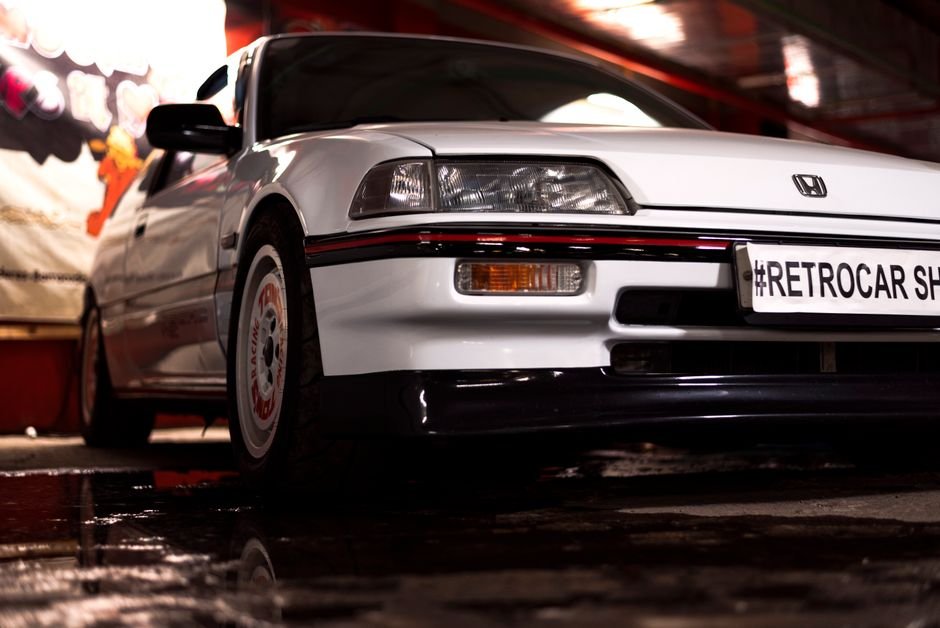
Norm’s Auto Clinic at 19 N. Broadway, Coweta, OK 74429 services Honda Civics from every generation — from the simple 1996 D16 engine to the turbocharged 1.5L in modern Civics. We have the diagnostic tools for Honda’s systems, provide written estimates before any work, and stand behind our repairs with a parts and labor warranty.
Coweta, Broken Arrow, Wagoner, and Muskogee Honda owners trust us with their Civics because we give honest assessments and fair prices. Call us at (918) 279-8100 to schedule your Civic’s next service.