
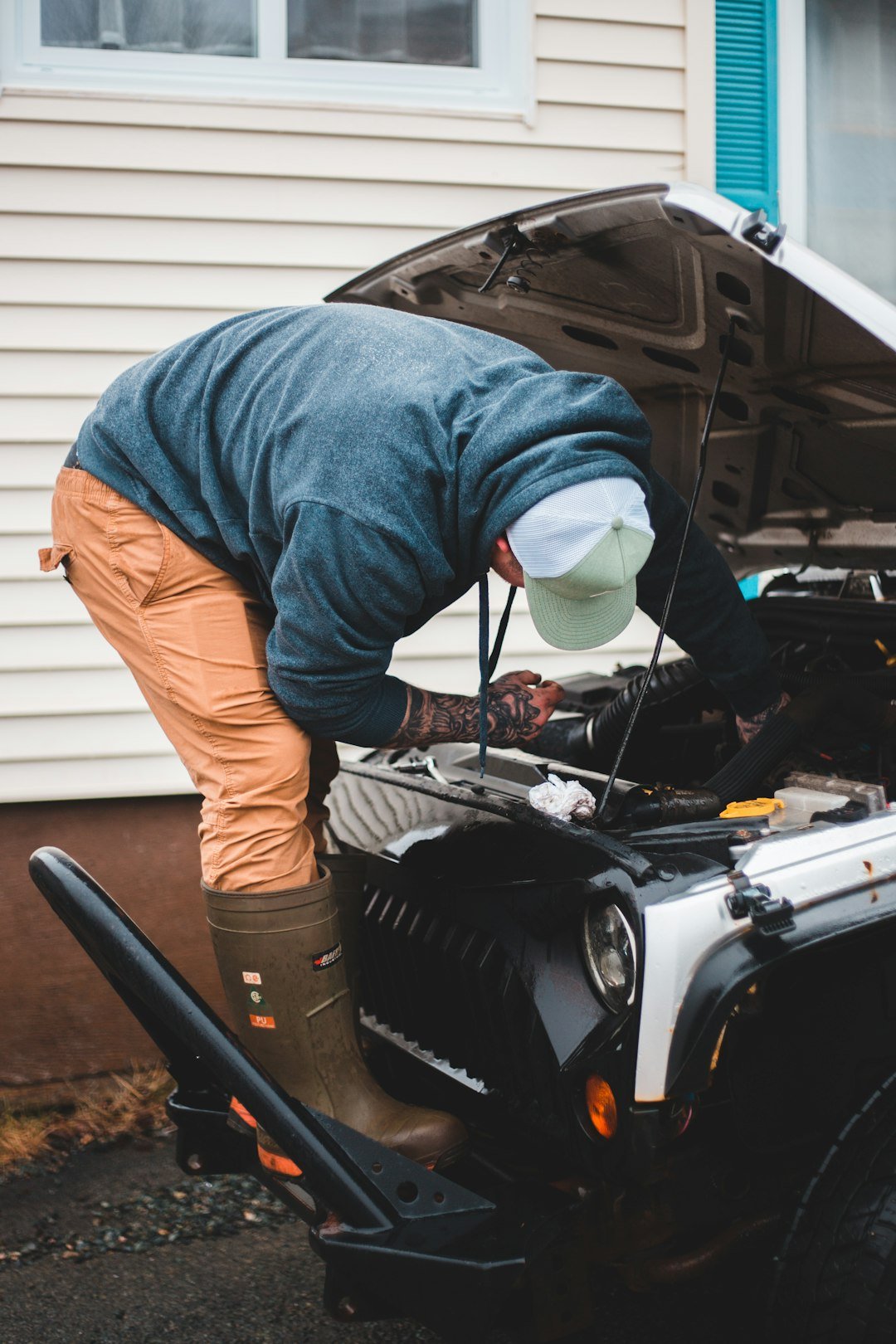
The Jeep Grand Cherokee is one of the most popular SUVs in Oklahoma — combining four-wheel drive capability with a more comfortable ride than the Wrangler. It’s a capable, versatile vehicle that holds up well for most drivers. That said, specific generations and powertrains have documented issues that Jeep owners should know about. At Norm’s Auto Clinic in Coweta, Oklahoma, we’ve repaired Grand Cherokees across every generation and can address these issues at a fraction of dealership cost.

Generation Overview: Which Years Have Which Issues
The Grand Cherokee has gone through four main generations (WJ, WK, WK2, and WL), each with its own quirks:
- WJ (1999–2004): Generally reliable, but the 4.7L V8 can develop head gasket and water pump issues. The NV247 Quadra-Trac transfer case can fail if fluid is neglected. Overall a solid generation.
- WK (2005–2010): The 3.7L V6 and 4.7L V8 are fairly dependable, though the TIPM (Totally Integrated Power Module) begins to appear as an issue in this era. Transfer case and differential leaks are common on higher-mileage examples.
- WK2 (2011–2021): More complex electronics, more potential issues. The 3.6L Pentastar is generally strong; the 5.7L HEMI is excellent. The ZF 8-speed automatic in newer models is smooth and reliable with proper fluid service. TIPM problems persist.
- WL (2022+): Current generation — still accumulating real-world data, but early reports suggest electrical complexity continues to grow.
TIPM Failure (2007–2019 Grand Cherokee)
The Totally Integrated Power Module (TIPM) is one of the Grand Cherokee’s most notorious problems across multiple generations. The TIPM is the central electronic control unit for vehicle power distribution, and failures can cause a wide range of seemingly unrelated symptoms:
- Fuel pump not engaging (no start, or stalling)
- Horn honking randomly or not working
- Wipers running without input or not working
- Power windows and door locks malfunctioning
- Airbag warning lights
- Random electrical gremlins that come and go
TIPM replacement or professional module repair is the fix. A new OEM TIPM typically costs $500–$900 plus programming labor. Reprogrammed or refurbished units are available at lower cost. If your Grand Cherokee has multiple seemingly unrelated electrical issues, TIPM diagnosis is the starting point.
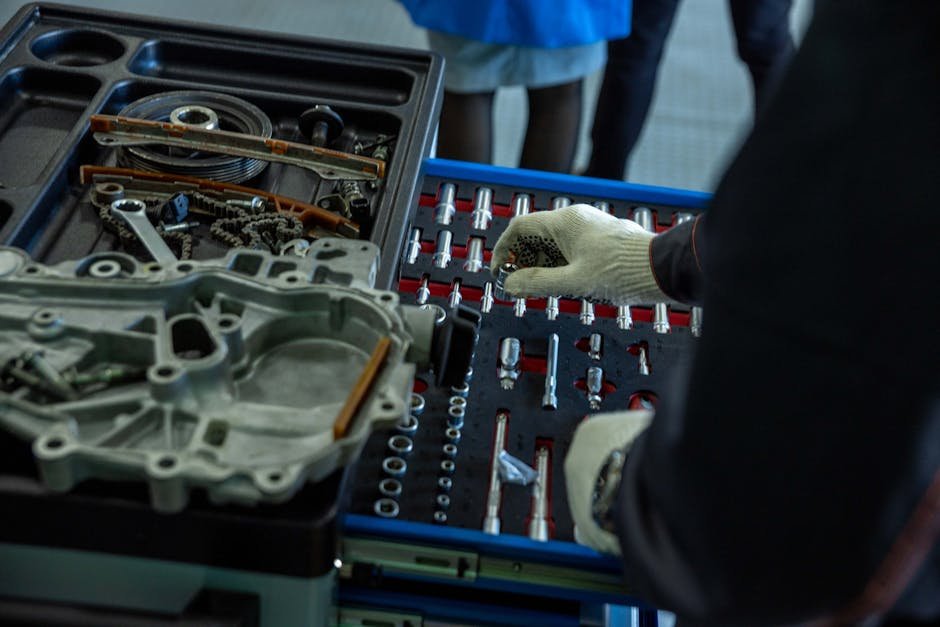
Transfer Case and 4WD System Issues
Grand Cherokee transfer case problems are often maintenance-related rather than design flaws. The NV247, NV245, and later electronic transfer cases all require fluid changes every 30,000 miles — a service that many owners skip. Neglected fluid leads to bearing wear, chain wear, and eventual transfer case failure. If you hear clunking or grinding when engaging 4WD, or if the vehicle bucks or shudders when turning, transfer case diagnosis is needed.
The full-time 4WD Quadra-Drive II system uses electronic limited-slip differentials front and rear. These rear differentials require specific fluid — using the wrong type (or neglecting fluid changes) can permanently damage the differential clutch packs. Always use the correct FCA-approved fluid specification.
3.6L Pentastar V6 Issues (2011+ Grand Cherokee)
The 3.6L Pentastar is Chrysler/Jeep’s workhorse engine and is generally reliable, but has a few known issues:
- Coolant leak at water pump and thermostat housing: The plastic thermostat housing and water pump connection are weak points, particularly on 2011–2013 models. Watch for coolant smell or visible coolant residue around the front of the engine.
- Rocker arm and camshaft issues (some 2011–2012 engines): Early production engines had rocker arm wear that caused ticking and in some cases camshaft damage. Addressed under warranty on early vehicles; check for TSBs on your specific VIN.
- Oil consumption at high mileage: Like most modern engines, the Pentastar can develop mild oil consumption past 150,000 miles. Monitor dipstick level between changes.
5.7L HEMI Issues
The 5.7L HEMI V8 is an excellent engine that regularly reaches 200,000+ miles with proper maintenance. The main maintenance-critical item is the Multi-Displacement System (MDS) — which shuts down 4 of 8 cylinders at highway cruise speed for fuel economy. MDS lifter failures can occur if oil changes are deferred. Regular 5,000-mile oil changes with full synthetic oil are essential for HEMI longevity.
Other Common Grand Cherokee Problems
- AC evaporator failure: A known issue on 2011–2019 Grand Cherokees, often detected by musty smell or reduced cooling. Evaporator replacement is a significant labor job requiring dashboard disassembly — budget $800–$1,400 at an independent shop.
- Panoramic sunroof drain clogs: The panoramic roof drains in the roof pillars can clog with debris, causing water to drain into the cabin. Periodic cleaning prevents water damage to electronics and flooring.
- Air suspension failure (Quadra-Lift models): Electronically controlled air suspension on higher trim levels can fail, leaving the vehicle sitting at improper ride height. Compressor replacement and air strut replacement are common repairs.
Jeep Grand Cherokee Service at Norm’s Auto Clinic
Norm’s Auto Clinic services all generations of the Grand Cherokee — from routine maintenance to complex electrical diagnosis, transfer case service, and drivetrain repairs. We provide honest, written estimates and explain every recommended repair. Find us at 19 N. Broadway, Coweta, OK 74429. Call (918) 279-8100 to schedule an appointment. We serve Coweta, Broken Arrow, Wagoner, Muskogee, and the greater Tulsa area.