
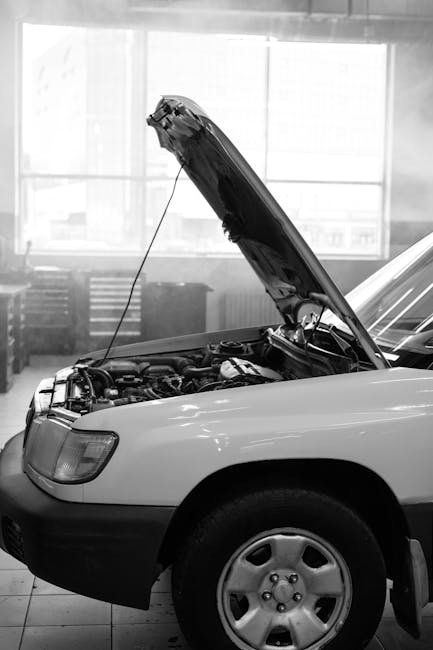
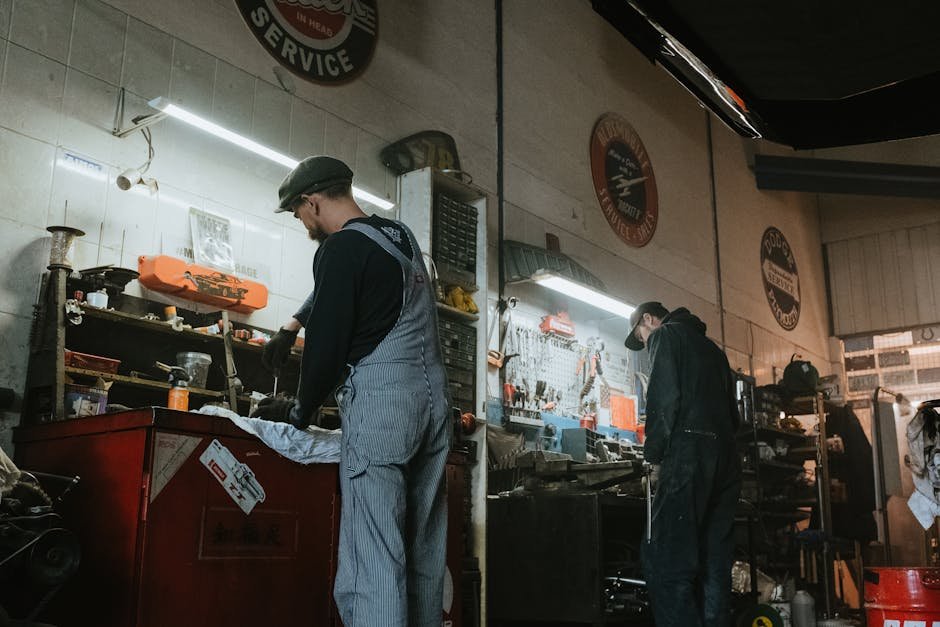
The torque converter sits between the engine and transmission and is one of the most overlooked drivetrain components — until it fails. Torque converter problems can mimic transmission failure, cause shuddering at highway speed, and even prevent the vehicle from moving at all. At Norm’s Auto Clinic in Coweta, Oklahoma, we diagnose and repair torque converter issues for drivers across Wagoner County, Broken Arrow, and the Tulsa area.
What Does the Torque Converter Do?
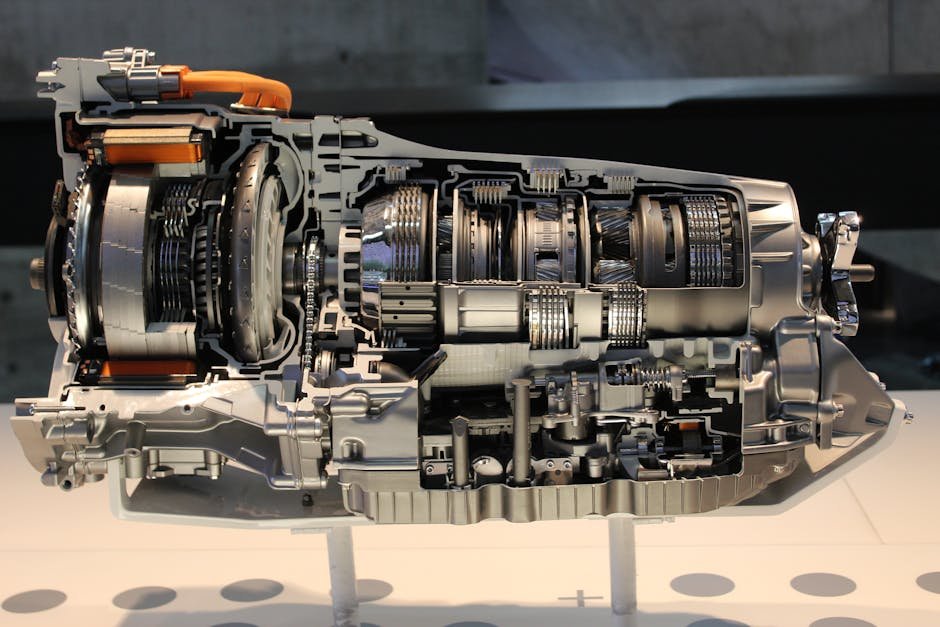
In a vehicle with an automatic transmission, the torque converter serves the same function as a clutch in a manual — it connects and disconnects the engine from the transmission. But instead of mechanical clutch plates, a torque converter uses fluid coupling: engine-driven rotation moves fluid through a turbine, which transfers power to the transmission input shaft.
Modern torque converters also include a lock-up clutch that mechanically locks the converter at highway speeds, improving efficiency by eliminating the slight slippage inherent in fluid coupling. It’s this lock-up clutch that’s responsible for many of the torque converter shudder complaints we see at Norm’s.
Torque Converter Symptoms: What to Watch For
Shuddering at Highway Speed
This is the most common torque converter symptom. A worn or glazed lock-up clutch causes a vibration or shudder — similar to driving over rumble strips — typically between 35–55 mph when the converter is trying to engage the lock-up clutch. The shudder often disappears above 60 mph or below 30 mph.
Torque converter shudder can sometimes be addressed with a transmission fluid flush using the correct fluid specification. Worn or contaminated fluid allows the lock-up clutch to slip and chatter rather than engage smoothly. In other cases, the clutch friction material has worn to the point where fluid won’t restore it, and the converter needs replacement.
Slipping or Sluggish Acceleration
If the torque converter is slipping internally — the fluid coupling isn’t transferring power efficiently — the engine will rev freely but acceleration will feel sluggish and disconnected. This is different from transmission slipping in that the slippage happens before the fluid enters the gearset, not inside it.
Overheating
A torque converter that’s slipping generates significant heat. The fluid coupling is converting mechanical energy to heat every time it slips, and that heat transfers into the transmission fluid. Severely degraded torque converter performance can cause the transmission to overheat even at relatively low loads — leading to accelerated seal and clutch pack wear inside the transmission itself.
Unusual Noises
A rumbling or whining noise that changes with engine load can indicate worn needle bearings inside the torque converter. These bearings support the rotating components — when they wear, the resulting noise often changes pitch with throttle input and may be most noticeable at idle or light cruise.
Vehicle Won’t Move
In severe failure cases, the torque converter stator — the component inside that redirects fluid flow for torque multiplication — can lock up or seize. When this happens, the vehicle may barely move under any throttle input, or the engine may stall when placed in gear because the seized converter is creating excessive drag.
Torque Converter Repair vs Replacement
Torque converters are sealed units — they cannot be disassembled and rebuilt at the shop level in most cases. When a torque converter fails mechanically, replacement is the standard repair. Remanufactured torque converters are available for most common vehicles and represent the most common repair path.
Torque converter replacement requires removing the transmission to access the converter, making it a significant labor operation. Typical cost ranges:
- Torque converter replacement: $700–$1,500 total (converter + labor)
- Transmission fluid service (may resolve shudder): $100–$200
- Torque converter shudder additive: $15–$30 — sometimes effective for minor shudder if fluid is otherwise in good condition
Diagnosis at Norm’s Auto Clinic
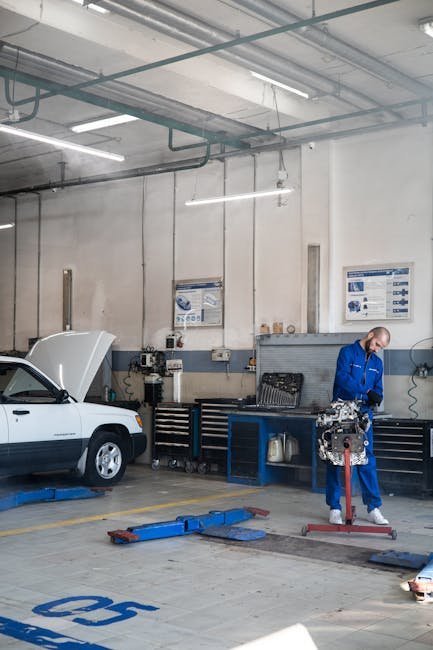
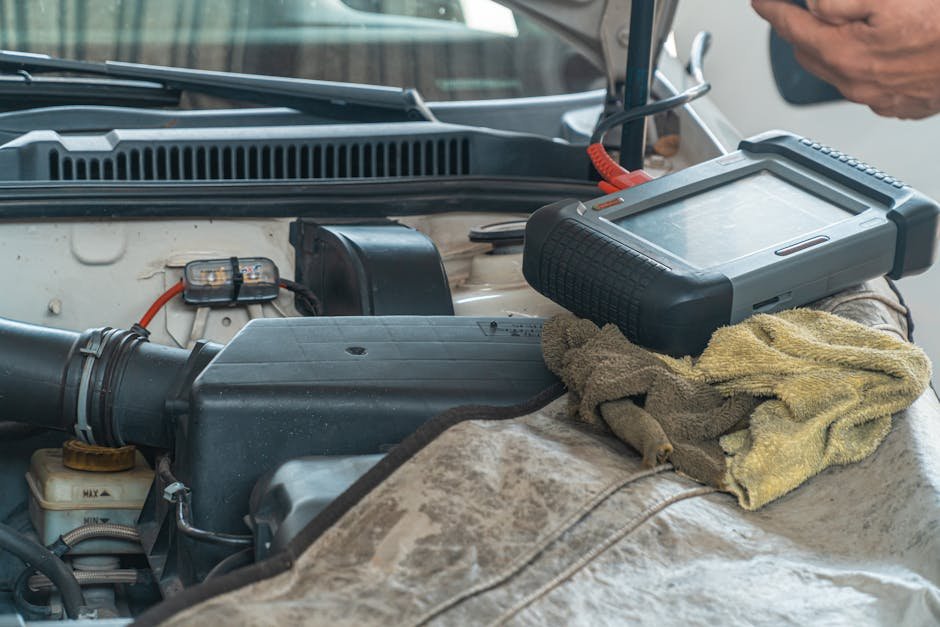
Torque converter problems can be tricky to distinguish from internal transmission issues without a thorough diagnosis. At Norm’s, we scan for fault codes, perform a stall speed test, and evaluate fluid condition to determine whether the issue is in the converter or the transmission itself — before recommending any repair. Contact us at 19 N. Broadway, Coweta, OK 74429 or call (918) 279-8100.