
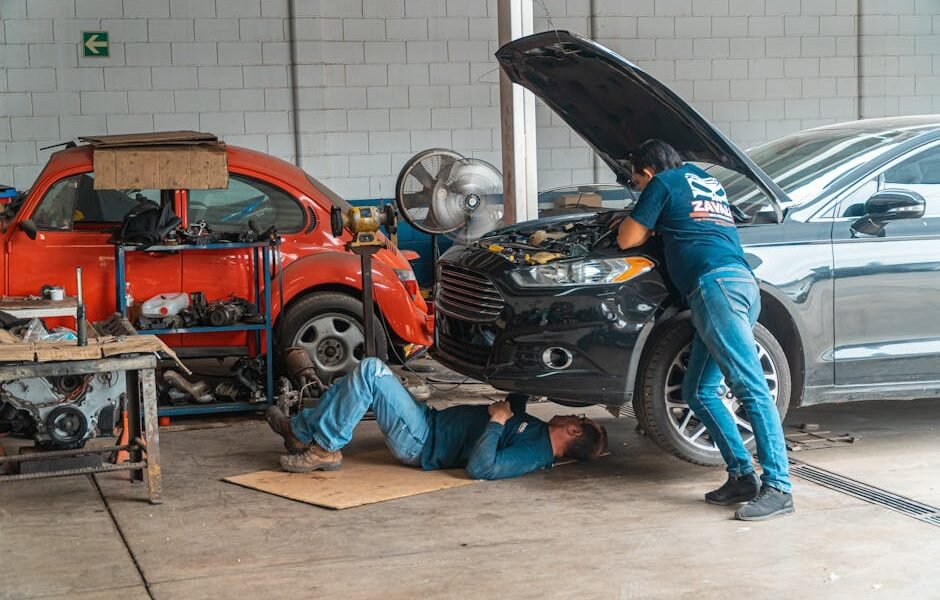
Toyota’s reputation for reliability is well-earned. The Camry and Corolla are consistently among the longest-lasting vehicles on American roads, and Oklahoma drivers have embraced them for decades. But ‘reliable’ doesn’t mean ‘maintenance-free.’ Even the most dependable cars have known weak spots, and understanding them is the difference between a minor repair and an expensive breakdown.
At Norm’s Auto Clinic in Coweta, Oklahoma, we service Toyota vehicles regularly — including high-mileage Camrys and Corollas that are still running strong well past 200,000 miles. Here’s what we see most often, and what you can do to prevent it.
Toyota Camry Oil Consumption: The 2AR-FE Engine Issue
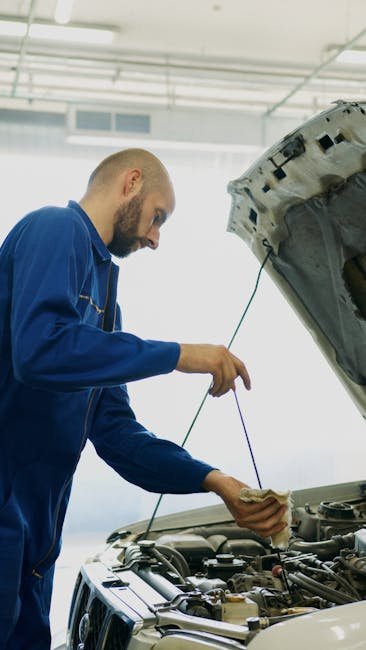
The most widely reported issue with 2007–2011 Toyota Camrys (and some 2012–2014 models) is excessive oil consumption from the 2.5L 2AR-FE four-cylinder engine. Toyota issued a Technical Service Bulletin and extended warranty coverage for this issue — affected engines can consume up to a quart of oil per 1,200 miles. The root cause is inadequate piston ring seating, which allows oil to enter the combustion chamber and burn off.
If you own a Camry from this era, check your oil level every 1,000–1,500 miles, not just at every oil change. Catching low oil early prevents the bearing damage and engine wear that results from running an engine on insufficient lubrication. A piston ring replacement can restore normal oil use — but on high-mileage vehicles, the repair cost must be weighed against the vehicle’s value.
V6-powered Camrys (3.5L 2GR-FE) are significantly more reliable for oil consumption, though they require strict 5,000-mile oil change intervals with 0W-20 full synthetic to prevent the sludge buildup that plagued earlier Toyota V6 engines.
Corolla CVT Problems and the 2ZR-FE Timing Chain
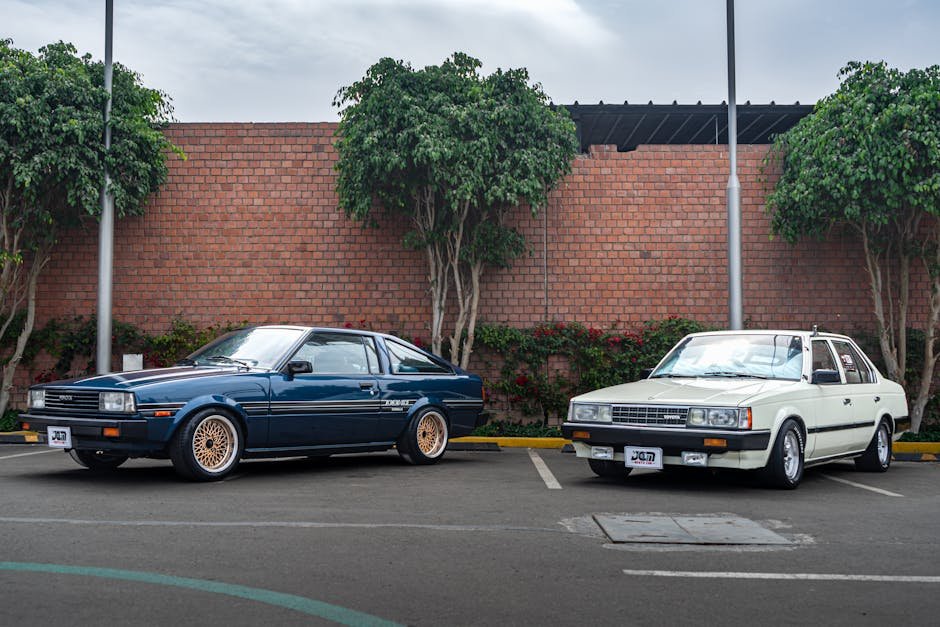
The 2020+ Toyota Corolla with the Direct Shift CVT is a significant improvement over earlier CVT designs, but some owners report a shudder or hesitation during low-speed acceleration. Earlier Corollas (2014–2019) with the conventional CVT benefit from fluid changes every 40,000–60,000 miles — skipping this service is a leading cause of premature CVT wear.
On older Corollas with the 1.8L 2ZR-FE engine (2009–2019), the timing chain tensioner can develop a rattle on cold starts that typically disappears after the engine warms. This typically appears in the 130,000–180,000 mile range and is caused by tensioner wear. Left unaddressed, a failing tensioner can allow chain slack that causes misfires and eventually catastrophic engine damage. If you hear a rattling sound on cold startup, have it diagnosed promptly.
Catalytic Converter Theft and Oxygen Sensor Issues
Toyota Prius, Tacoma, and 4Runner models are frequent targets for catalytic converter theft due to their higher precious metal content — but Camrys and Corollas face the same risk in the Tulsa metro area. A stolen catalytic converter leaves your vehicle roaring loudly and sets multiple check engine codes. Replacement costs range from to ,500 depending on model year.
Oxygen sensor failure is among the most common check engine light triggers on high-mileage Camrys and Corollas. Symptoms include reduced fuel economy, rough idle, and P0136 or P0155 codes. Using a quality OEM-equivalent sensor rather than the cheapest aftermarket option is important for accurate fuel trim readings and lasting repair.
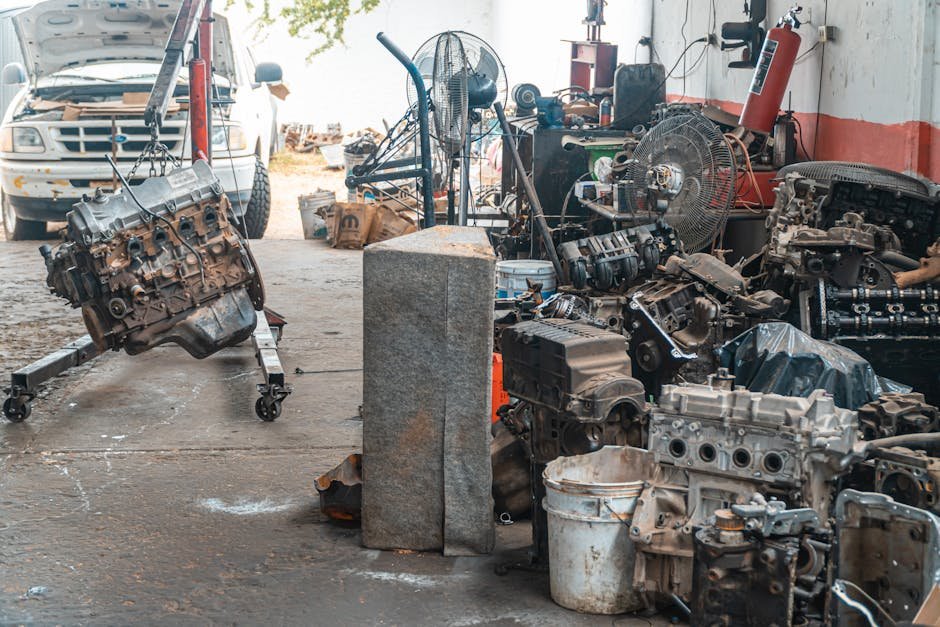
Toyota Service at Norm’s Auto Clinic, Coweta OK
Norm’s Auto Clinic has serviced Toyota Camrys and Corollas for over 30 years. We know the specific service intervals, common failure patterns, and technical service bulletins for these vehicles. Whether you need an oil consumption check, CVT fluid service, timing chain inspection, or a routine oil change, we’ll give you an honest assessment and quality work at independent shop prices.
We serve Toyota owners from Coweta, Broken Arrow, Wagoner, Muskogee, and the greater Tulsa area. Call (918) 279-8100 or visit us at 11150 S 265th E Ave, Coweta, OK 74429 — Monday through Friday, 8am–5pm.