
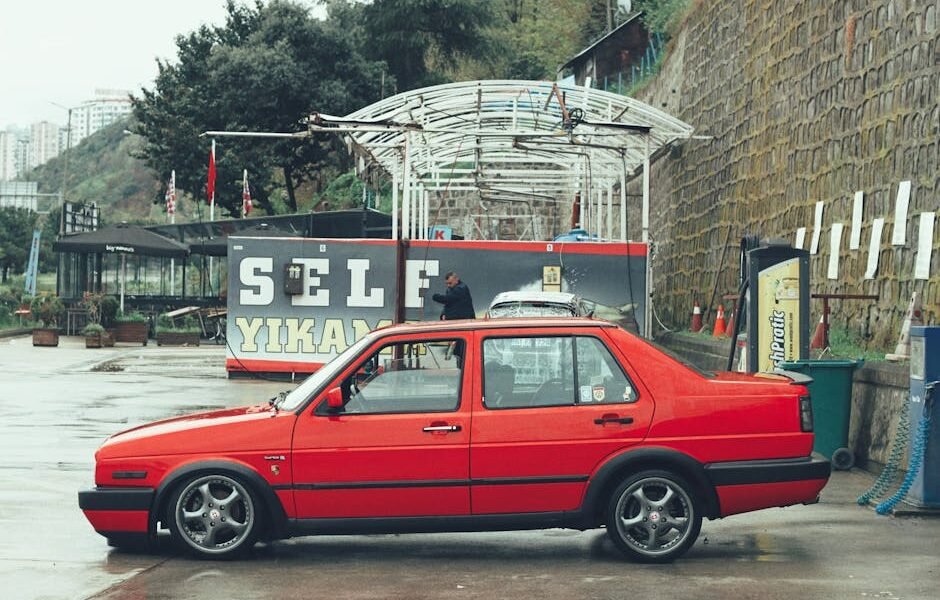
Volkswagen’s Jetta and Passat have found a loyal following in northeastern Oklahoma among buyers who want European driving character without European luxury prices. The turbocharged TSI engines deliver spirited performance, and the German-engineered interiors age well. But these vehicles have specific maintenance requirements and failure patterns that differ from Japanese and domestic competitors.
Norm’s Auto Clinic services Volkswagen vehicles using VW-compatible diagnostic tools. Here’s what Jetta and Passat owners experience most often.
VW TSI Engine: Carbon Buildup and Timing Chain
Volkswagen’s 1.4T and 2.0T TSI engines are direct injection, which means they accumulate carbon deposits on intake valves over time. Unlike port-injection engines where fuel spray washes the valves clean, direct injection bypasses the intake tract entirely. At 60,000–100,000 miles, carbon buildup causes rough idle, misfires, loss of power, and increased fuel consumption.
Intake valve cleaning — either with chemical solvent introduction or walnut blasting (the thorough method) — restores performance and is worth scheduling at 80,000–100,000 mile intervals. Prevention includes using top-tier gasoline with deposit control additives and maintaining strict oil change intervals with VW-spec 502.00 or 504.00 full synthetic oil.
The 2.0T TSI (EA888) timing chain tensioner has a documented failure pattern that causes a rattling on startup. VW extended warranty coverage for affected vehicles in some markets. If your Jetta or Passat with the 2.0T has a startup rattle that disappears after warmup, have it inspected promptly — a failed tensioner can cause timing chain jump and serious engine damage.
DSG Dual-Clutch Transmission Service
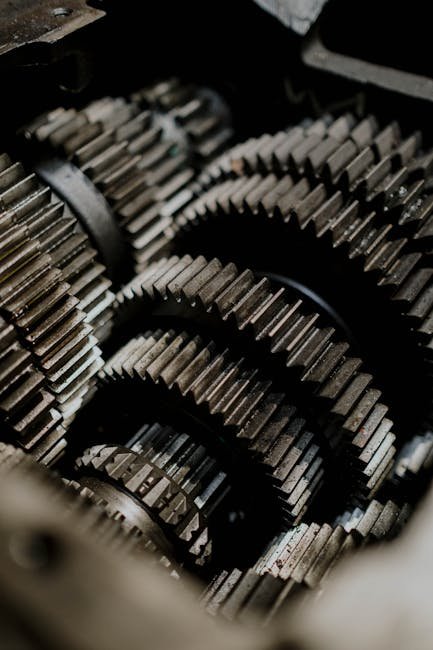
Many Jettas and Passats use VW’s DSG dual-clutch automatic transmission — either the 6-speed DQ250 (wet clutch, higher torque) or the 7-speed DQ200 (dry clutch, lower torque). The DSG requires fluid changes every 40,000 miles using Volkswagen-specified DSG fluid — standard automatic transmission fluid will cause immediate clutch damage.
The 7-speed DQ200 (dry clutch) has a documented shudder and hesitation at low speeds that affects many Jettas and Passas equipped with it. VW issued software calibration updates that help, but some mechanical wear develops at higher mileages. If your VW hesitates or shudders during low-speed maneuvers, this is the likely cause.
EGR Issues and Electrical Faults
Volkswagen TSI engines frequently develop EGR (exhaust gas recirculation) valve and cooler faults at 60,000–100,000 miles. A clogged EGR valve causes rough idle, hesitation, and check engine codes P0400 series. Cleaning or replacing the EGR valve is a straightforward repair that often resolves multiple check engine codes simultaneously.
VW electrical systems are sophisticated and can develop faults — TPMS sensor failures, sunroof drain clogs causing electrical damage, and various module communication codes are common. A proper diagnostic scan with VW-specific software (not generic OBD-II readers) is essential for accurate diagnosis of VW fault codes.
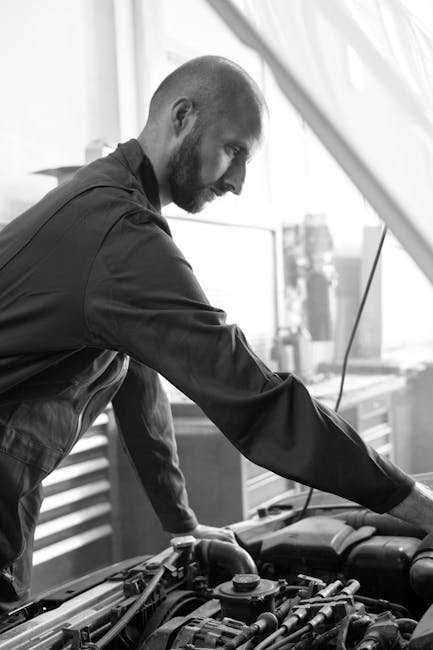
VW Service at Norm’s Auto Clinic
Norm’s Auto Clinic services Volkswagen Jetta, Passat, Golf, Tiguan, and Atlas vehicles with VW-compatible diagnostic equipment and VW-specification fluids. We handle TSI carbon cleaning, DSG fluid service, timing chain inspection, and complete maintenance.
Call (918) 279-8100 or visit 11150 S 265th E Ave, Coweta, OK 74429 — Monday–Friday, 8am–5pm. Serving VW owners from Coweta, Broken Arrow, Wagoner, and the Tulsa metro.