
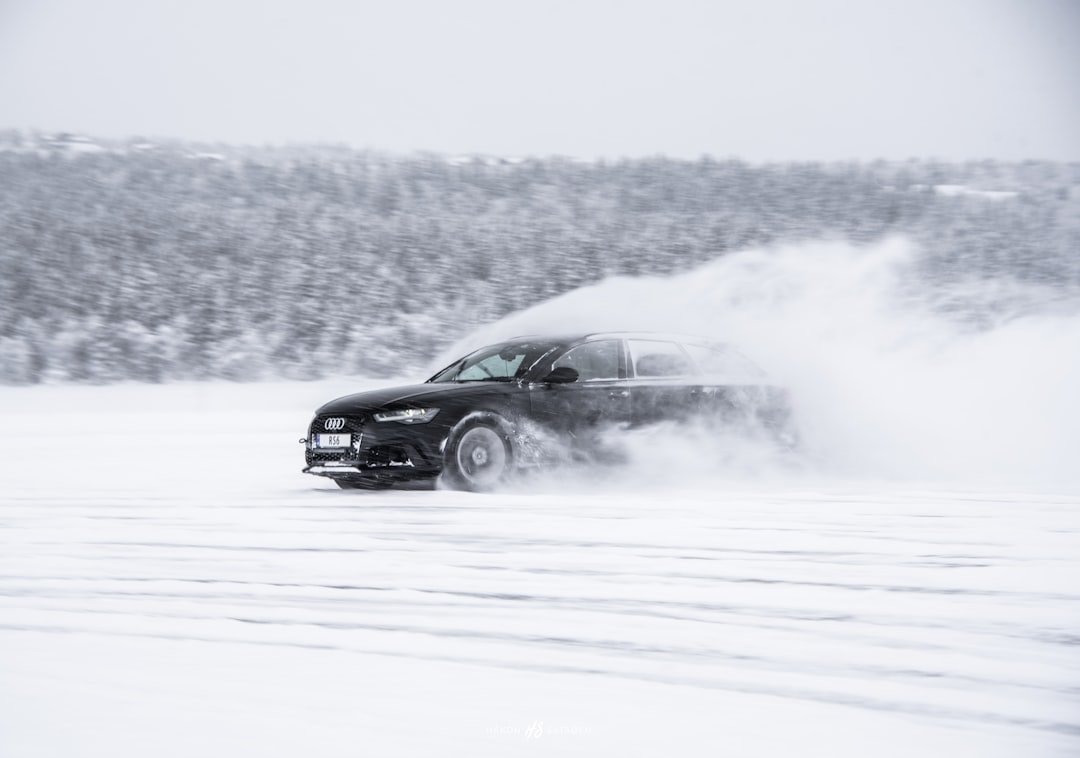
Oklahoma winters have a well-earned reputation for unpredictability. The state sits at the intersection of cold Arctic air masses pushing down from the north and warm, moist Gulf air from the south — a combination that makes Oklahoma one of the most volatile weather states in the nation. Ice storms can materialize within hours and coat roads with an inch or more of black ice. Temperatures can swing 40 degrees in a single day.
For drivers in Coweta, Wagoner County, and the greater Tulsa area, winter vehicle preparation isn’t optional — it’s essential for safety and reliability. At Norm’s Auto Clinic, we field a surge of calls after the first ice storm every year from drivers with dead batteries, failed coolant systems, and tires that can’t handle icy roads. This guide covers everything you need to do before winter arrives so you’re not making those calls.

Oklahoma Ice Storms: Understanding What Your Vehicle Faces
Oklahoma averages several significant winter weather events per year, with the risk concentrated between November and March. Unlike northern states that see predictable heavy snowfall, Oklahoma’s winter threat is primarily freezing rain — precipitation that falls as liquid and freezes on contact with cold surfaces, creating ice layers that are far more treacherous than packed snow.
The 2007 ice storm — one of the most devastating in state history — left over 600,000 homes and businesses without power, with some areas dark for weeks. The 2023 ice storm caused widespread road closures across northeast Oklahoma, stranding drivers on highways and interstates. Wagoner County and the Coweta area were significantly impacted in both events.
From a vehicle standpoint, ice storms create a perfect storm of challenges: batteries struggle in extreme cold, traction is severely compromised on iced roads, visibility is challenged by frost and ice on windows, and mechanical components that are marginally functional in warm weather often fail completely in freezing temperatures. Pre-season preparation addresses all of these vulnerabilities.
The Complete Oklahoma Winter Car Prep Checklist
1. Battery Test and Replacement
Cold temperatures reduce a battery’s available cranking power significantly — a battery that’s 80% healthy at 70°F may only deliver 40% of its rated cranking amps at 0°F. If your battery is 3 years old or older, have it load-tested before winter, not after it fails. Load testing (not just a voltage check) reveals whether the battery can actually deliver current under the strain of starting a cold engine.
We recommend proactive replacement for any battery showing weakness on a load test. A new battery costs $100–$200 installed. A tow from a stranded vehicle costs $75–$150 plus the new battery. And being stranded in a Oklahoma ice storm is a safety risk, not just an inconvenience.
2. Antifreeze / Coolant System Service
Your engine’s cooling system serves double duty in winter — it prevents the coolant from freezing (which can crack the engine block or head) and provides heat to your cabin through the heater core. Coolant degrades over time, losing its freeze protection and becoming acidic — corrosive to aluminum components.
Have your coolant tested for freeze protection with an inexpensive test strip or refractometer. Oklahoma winters can easily reach single digits Fahrenheit, so your coolant mixture should protect to at least -20°F (approximately a 50/50 antifreeze/water mix). If it’s been more than 3 years or 60,000 miles since the last coolant service, a flush and fill is worthwhile preventive maintenance.
Also inspect hoses and the radiator cap. Rubber hoses become brittle in cold temperatures, and a coolant hose that fails in an ice storm leaves you stranded with an overheating engine in dangerous conditions.
3. Tires: Tread Depth and Pressure
Tires are your vehicle’s only contact with the road, and their ability to manage traction on ice is directly related to tread depth and, critically, tire type. Most all-season tires lose significant cold-weather performance below 45°F as the rubber compound hardens. Tires specifically rated for winter performance (M+S rating with a mountain/snowflake symbol) use compounds that remain pliable in freezing temperatures.
For typical Oklahoma winters — which feature ice more than deep snow — quality all-season tires with adequate tread depth (4/32″ or more for winter conditions; use the quarter test: insert a quarter head-down into the tread, if you can see the top of Washington’s head you’re below 4/32″) are adequate for most drivers. Oklahoma’s winter weather doesn’t typically justify the expense of dedicated winter tires the way northern states do, but bald all-seasons on ice are genuinely dangerous.
Tire pressure drops approximately 1 PSI for every 10°F drop in temperature. As temperatures fall from 90°F summer days to 20°F winter mornings, your tires can lose 7 PSI or more. Check pressure monthly in winter and after significant temperature drops.
4. Wiper Blades and Windshield Washer Fluid
Standard wiper blades clog with ice and snow. Winter-specific wiper blades have a rubber boot that covers the frame, preventing ice accumulation. They’re worth installing in October for Oklahoma vehicles.
More critically: ensure your windshield washer fluid is rated for freezing temperatures. Washer fluid that freezes in the reservoir and lines can crack the reservoir. More dangerously, using water-diluted fluid that freezes on the windshield while driving at highway speed can instantly blind you. Use -20°F rated washer fluid all winter.

Your Winter Car Emergency Kit
No amount of vehicle preparation eliminates all risk of winter driving problems. Every Oklahoma driver should keep a basic emergency kit in their vehicle from October through March. Here’s what to include:
- Ice scraper and snow brush — essential in Oklahoma; keep it accessible, not in the trunk under everything else
- Jumper cables or portable jump starter — lithium jump starters are compact and powerful enough to start most passenger vehicles without another car
- Blanket and warm clothes — if stranded, you may wait hours for help in extreme conditions
- Flashlight — breakdowns happen at night; LED flashlights are compact and long-lasting
- Road flares or LED safety triangles — critical for visibility if stranded on a road shoulder
- Small bag of sand or kitty litter — for traction under spinning tires; shovel for digging out
- Water and non-perishable snacks — ice storm rescue times can extend to hours
- Phone charger cable and power bank — don’t let communication go dark in an emergency
- First aid kit — minor injuries during accident or breakdown situations
AWD and 4WD Myths: What These Systems Actually Do
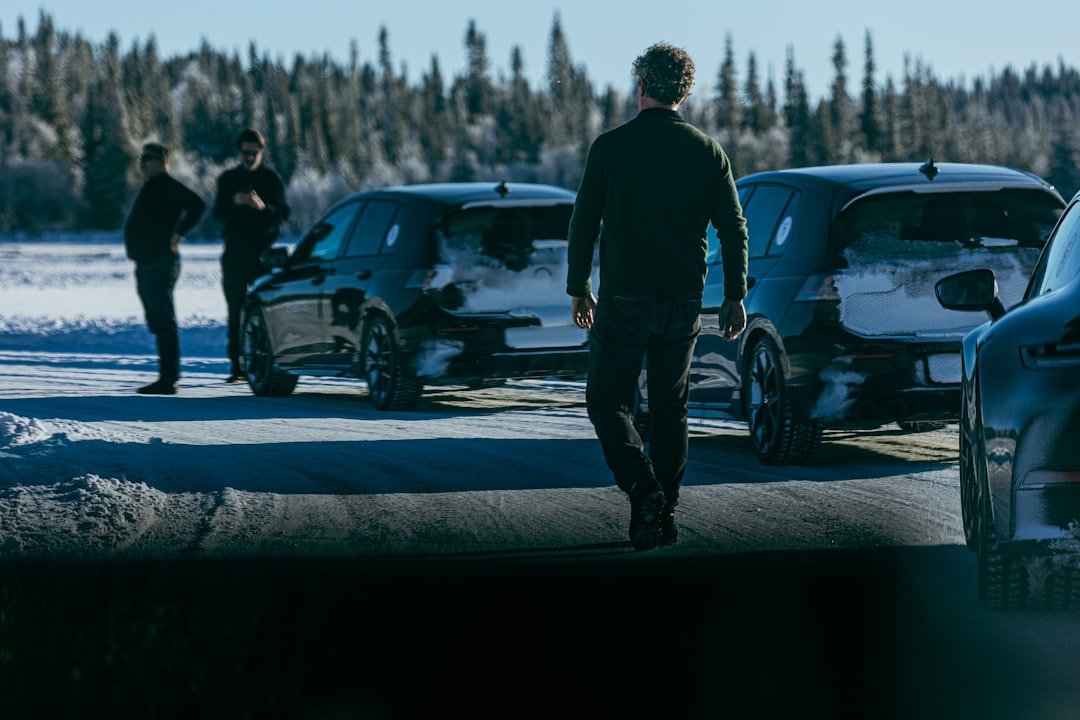
All-wheel drive and four-wheel drive systems are among the most misunderstood vehicle features among winter drivers. Many AWD/4WD owners believe their vehicle is dramatically safer on ice than a two-wheel-drive vehicle. This belief causes accidents every winter.
What AWD/4WD actually improves: Traction during acceleration. AWD helps you pull out of a stopped position on icy pavement more effectively than a two-wheel-drive vehicle. It also helps maintain forward momentum through snow.
What AWD/4WD does NOT improve: Braking and cornering on ice. Once you’re moving, an AWD vehicle takes the same distance to stop as an equivalent 2WD vehicle on ice — because all four brakes work regardless of drive configuration. And cornering ability is determined by tire grip, which doesn’t change with AWD. The false confidence that AWD provides is genuinely dangerous — AWD drivers frequently enter corners too fast on icy roads because they assume their system provides protection it doesn’t.
The safest winter driving is slow, smooth, and anticipatory — regardless of what drivetrain your vehicle has. Brake early, accelerate gently, and maintain double the following distance you would in dry conditions.
Post-Winter Spring Checklist
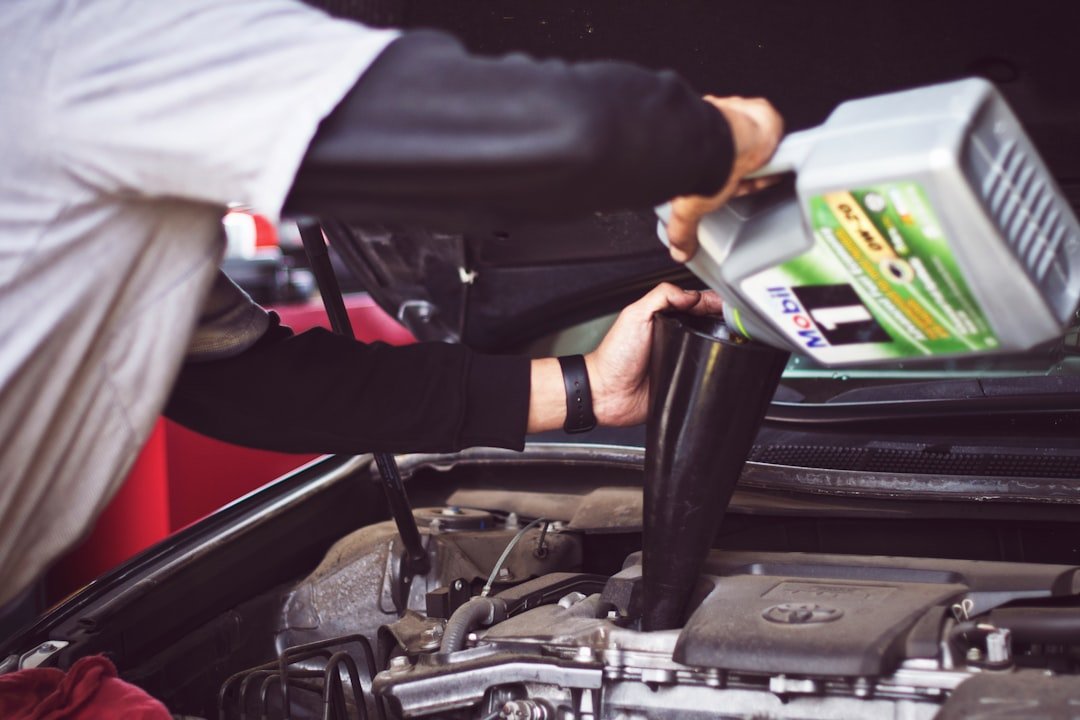
Once Oklahoma’s freeze risk passes in mid-March, it’s worth a post-winter inspection to catch problems that winter created:
- Undercarriage wash: Road deicers and salt accumulate under the vehicle and accelerate corrosion. A thorough undercarriage wash removes these contaminants.
- Brake inspection: Surface rust from ice exposure, plus the extra stress of winter braking, makes spring brake inspection worthwhile.
- Alignment check: Potholes that open up during winter freeze-thaw cycles are notorious for throwing off wheel alignment. Misalignment causes rapid, uneven tire wear.
- Tire pressure normalization: As temperatures rise, tire pressure increases. Tires that were correct at 20°F will be over-inflated at 80°F. Adjust pressure to the warm-weather specification.
- Air conditioning check: Oklahoma summers arrive fast. Spring is the time to verify AC system function before the first 90-degree day makes it urgent.
Schedule Your Pre-Winter Service at Norm’s Auto Clinic
Don’t wait for the first ice storm to discover your battery is weak or your tires are below safe tread depth. Norm’s Auto Clinic in Coweta offers comprehensive pre-winter vehicle inspections covering all the items above — battery, cooling system, tires, brakes, wipers, and fluid levels. We’ll give you a prioritized report and honest recommendations so you can make informed decisions about what needs attention before winter arrives.
Call us at (918) 279-8100 or stop by at 19 N. Broadway, Coweta, OK 74429. We serve Coweta, Broken Arrow, Wagoner, Muskogee, and the greater Tulsa area.