
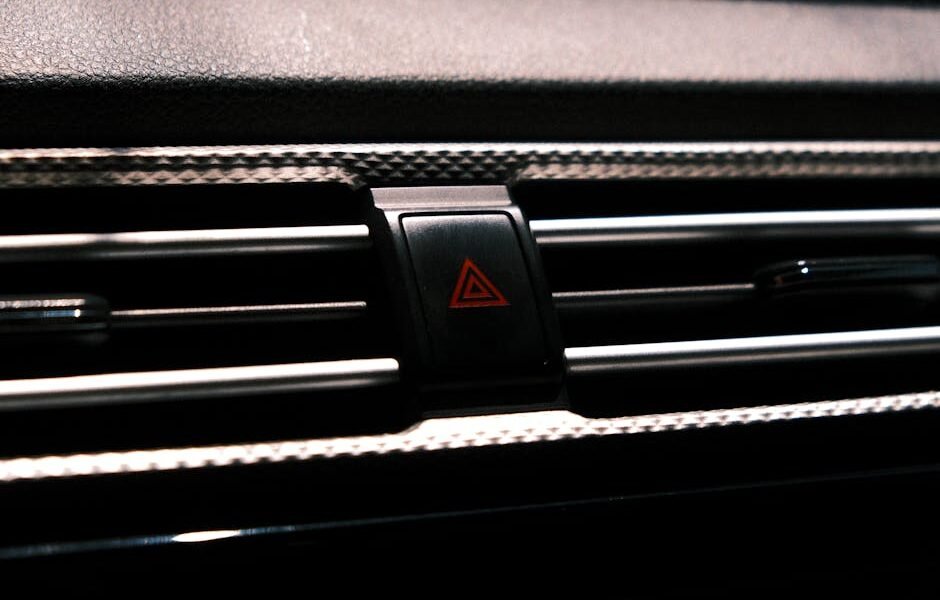
Why Warning Lights Exist
Your car’s onboard computer system — known as the ECU (Engine Control Unit) — constantly monitors dozens of sensors throughout the vehicle. When something falls outside normal parameters, it triggers a warning light on your dashboard. These lights are your car’s way of communicating a problem before it becomes a costly breakdown.
Modern vehicles can display anywhere from 10 to 50+ different warning lights depending on the make, model, and trim level. While some indicate minor issues, others demand immediate attention. Knowing the difference can save you hundreds — or even thousands — of dollars in repair costs.
At Norm’s Auto Clinic in Coweta, Oklahoma, one of the most common things we hear from customers is: ‘I saw a light but wasn’t sure what it meant.’ This guide will help you decode the most important ones so you can make informed decisions about your vehicle.
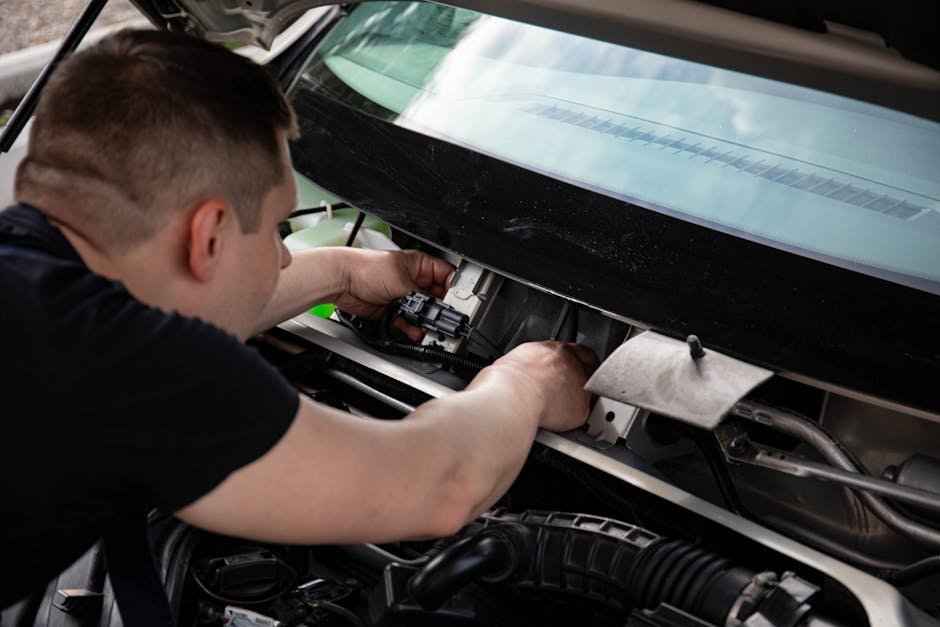 OBD-II scanner to diagnose warning lights” class=”wp-image-2756″ srcset=”https://www.normsautoclinic.com/wp-content/uploads/2026/05/car-warning-lights-guide-img1.jpg 940w, https://www.normsautoclinic.com/wp-content/uploads/2026/05/car-warning-lights-guide-img1-300×200.jpg 300w, https://www.normsautoclinic.com/wp-content/uploads/2026/05/car-warning-lights-guide-img1-768×512.jpg 768w” sizes=”auto, (max-width: 940px) 100vw, 940px” />
The Color Code: What Each Color Means
Dashboard warning lights use a traffic light color system to indicate urgency. Understanding this system is the first step to responding correctly.
- Red: Stop driving as soon as safely possible. Red lights indicate serious problems like oil pressure loss, overheating, or brake failure that can cause immediate engine damage or a safety hazard.
- Yellow/Amber: Caution — something needs attention soon. You can usually continue driving but should schedule a service appointment within a few days.
- Green: System is active and operating normally (e.g., turn signal, cruise control, high beam indicator).
- Blue: Informational. Typically indicates a system is on, like high beams.
- Orange: Similar to yellow — a caution that service is needed but not immediately urgent.
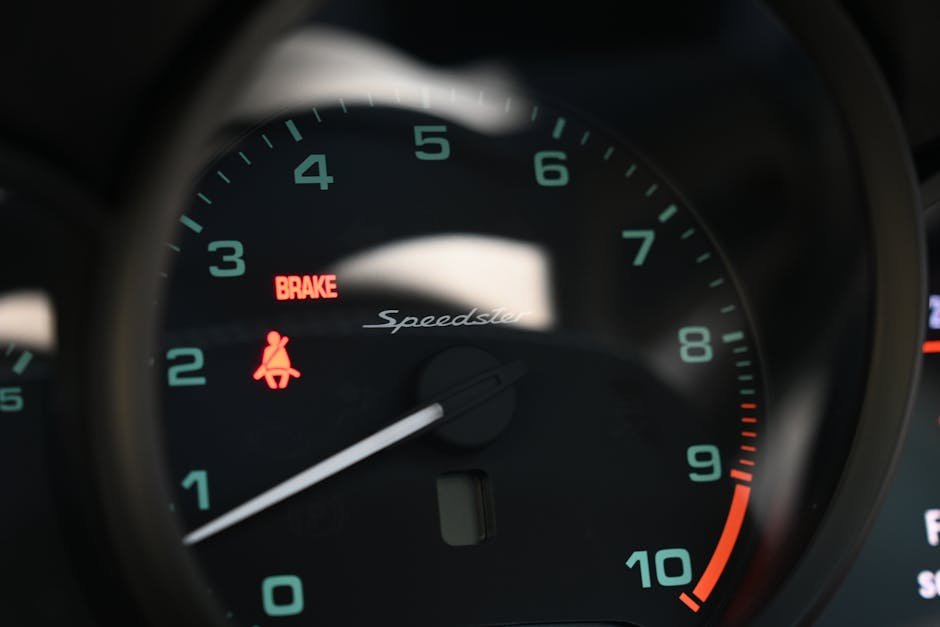 check engine light on car dashboard” class=”wp-image-2757″ srcset=”https://www.normsautoclinic.com/wp-content/uploads/2026/05/car-warning-lights-guide-img2.jpg 940w, https://www.normsautoclinic.com/wp-content/uploads/2026/05/car-warning-lights-guide-img2-300×200.jpg 300w, https://www.normsautoclinic.com/wp-content/uploads/2026/05/car-warning-lights-guide-img2-768×512.jpg 768w” sizes=”auto, (max-width: 940px) 100vw, 940px” />
Critical Red Warning Lights You Must Not Ignore
These lights demand immediate action. Pull over safely if you see any of the following while driving.
- Oil Pressure Warning (oil can icon): Means your engine may not have enough oil pressure to lubricate properly. Turn off the engine immediately to prevent catastrophic damage.
- Engine Temperature (thermometer in water icon): Your engine is overheating. Pull over, turn off the A/C, and if temperature doesn’t drop quickly, shut the engine down.
- Battery Warning: The charging system has failed. Your car is running on battery power only — you have limited time before it dies completely.
- Brake System Warning: Could indicate low brake fluid, a brake system failure, or that the parking brake is engaged. Check the parking brake first; if it’s off and the light stays on, stop driving.
- Transmission Temperature: Transmission is overheating. Pull over and let it cool before continuing.
Common Amber Warning Lights Explained
These lights are serious but usually allow you to continue driving to a shop for diagnosis.
- Check Engine Light (CEL): Can mean anything from a loose gas cap to a failing catalytic converter. Get it scanned with an OBD-II reader as soon as possible.
- Tire Pressure Warning (TPMS): One or more tires are significantly under- or over-inflated. Check pressure and inflate to the specification on your door jamb sticker.
- Service Engine Soon: Scheduled maintenance is overdue — typically oil change, filter replacement, or spark plugs.
- ABS Warning: Anti-lock braking system issue. Normal brakes still work, but ABS won’t engage during hard stops.
- Traction Control / Stability Control: System is off or has detected a fault. Drive carefully in wet or slippery conditions.
The Check Engine Light: What You Need to Know
The check engine light (CEL) is the most misunderstood warning light on most vehicles. It can be triggered by over 1,000 different fault codes — from minor evaporative emission issues to major misfires that can damage your catalytic converter.
If your check engine light is solid, it means a non-emergency fault has been detected. You can drive to a shop for diagnosis. If it’s flashing, that indicates an active misfire that can damage your catalytic converter within minutes — reduce speed and get to a shop immediately.
An OBD-II scanner can read the specific fault code, but the code alone doesn’t tell you the root cause. A professional diagnosis at an auto repair shop like Norm’s Auto Clinic involves testing the relevant components to confirm the actual problem before parts are replaced.
Warning Lights Specific to Advanced Systems
- Lane Departure Warning: Camera-based system detected you drifting — can be triggered by worn lane markings too.
- Adaptive Cruise Control Fault: Radar sensor may be dirty or misaligned.
- Electric Power Steering (EPS): Power steering system fault — steering will feel heavier.
- Hybrid/EV System Warning: In hybrid vehicles, this can indicate battery pack issues that require specialized service.
- 4WD/AWD System: Four-wheel drive system malfunction — may affect traction and handling in slippery conditions.
What to Do When a Warning Light Comes On
Follow these steps whenever a new warning light appears on your dashboard.
- Identify the color: Red means stop soon; amber means schedule service.
- Check your owner’s manual: Every vehicle has a specific page explaining each warning light for that model.
- Look for secondary symptoms: Unusual noises, smells, vibrations, or performance changes help diagnose the cause.
- Check the basics first: Gas cap tight? Parking brake fully released? These fix some warning lights instantly.
- Use an OBD-II scanner: Inexpensive scanners (–) plug into the port under your dashboard and show the fault code.
- Don’t ignore persistent lights: A warning light that stays on for more than a day or two should be diagnosed professionally.
When to Visit Norm’s Auto Clinic
If you’re seeing warning lights and aren’t sure what they mean or how serious they are, our team at Norm’s Auto Clinic in Coweta can perform a free visual inspection and connect a diagnostic scanner to pull any stored fault codes.
We serve drivers throughout the Coweta, Broken Arrow, Wagoner, and Tulsa metro area. Whether your check engine light just came on or you’ve been ignoring a dashboard light for weeks, we’ll give you an honest assessment and a fair repair estimate — no pressure, no upselling.
Call us at (918) 279-8100 or stop by 19 N. Broadway, Coweta, OK 74429. Warning lights are your car’s way of asking for help — don’t wait until a small problem becomes a big repair bill.