

Oklahoma summers are among the most demanding conditions for any vehicle. Triple-digit temperatures from June through September, intense UV exposure, brutal overnight heat that never lets the car fully cool down, and the humidity of our river valley climate all accelerate wear on components that your vehicle’s designers likely tested in milder conditions.
At Norm’s Auto Clinic in Coweta, we see the results of Oklahoma summers on vehicles every day. Here’s what the heat actually does to your car — and what you can do before summer to protect it.
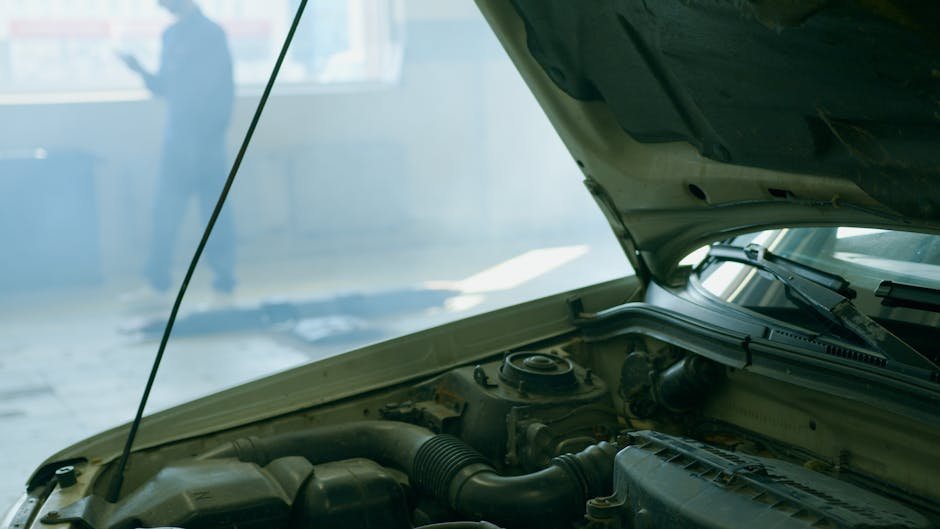
Batteries: Oklahoma’s Number One Summer Failure
Cold weather gets the blame for dead batteries — but heat actually kills them faster. Battery electrolyte evaporates in extreme heat, and the chemical reactions inside accelerate degradation. A battery that’s three years old in Oklahoma’s climate is roughly equivalent to a five-year-old battery in Minnesota. The AAA estimates that battery failure rates triple in summer heat compared to mild conditions.
Have your battery tested before summer if it’s more than two years old. A load test (not just a voltage check) accurately predicts remaining life. Replacing a battery before it fails is far better than being stranded on a 105-degree day in a Walmart parking lot. Keep battery terminals clean and tight — corrosion accelerates dramatically in heat.
Stop-start vehicles use special AGM batteries that cost more but handle heat cycling better. When replacing a stop-start system battery, always use an AGM battery — a conventional battery in this application will fail within weeks.
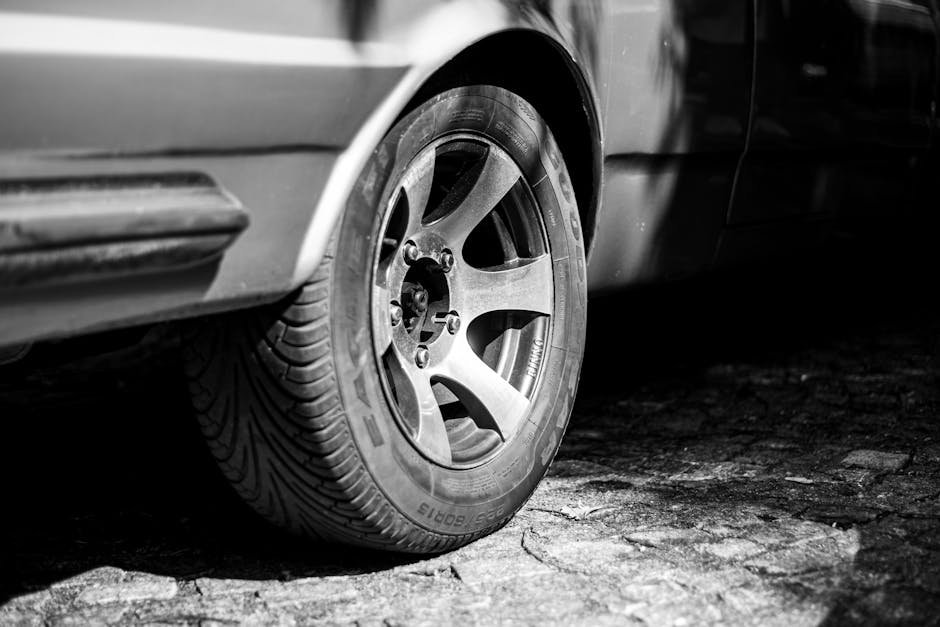
Tires, Coolant, and Oil in Oklahoma Summer
Tire pressure increases in heat — about 1 PSI for every 10 degrees Fahrenheit. A tire that was at the correct pressure in the morning can be over-inflated by 4–6 PSI by afternoon on a 105-degree day. Over-inflated tires wear faster in the center, handle less predictably, and are more susceptible to blowouts from road hazards. Check tire pressure in the morning before driving when tires are cool.
Coolant breaks down faster under Oklahoma’s summer heat — particularly in vehicles that tow or sit in stop-and-go traffic with the AC running. A coolant flush every 50,000–60,000 miles is our recommendation for Oklahoma drivers. Check the coolant level monthly in summer and look for any signs of leaks or rusty coolant.
Full synthetic motor oil handles Oklahoma summer heat significantly better than conventional oil. The base oil doesn’t thin out at high temperatures as dramatically, maintaining a protective film between engine components. This is especially important for turbo engines, which generate extreme heat within the turbocharger itself.
AC, Belts, and Interior Protection
Have your AC system checked in April or early May — before the heat hits. A low refrigerant charge or a borderline compressor that limps through spring will fail during the hottest week of July. AC compressor failure during peak summer in Oklahoma is genuinely dangerous for vulnerable passengers.
UV exposure and heat degrade rubber belts and hoses faster in Oklahoma than in northern states. Inspect (or have us inspect) drive belts and radiator hoses for cracking, glazing, and brittleness annually. A belt or hose failure in 108-degree heat can lead to an overheated engine within minutes.
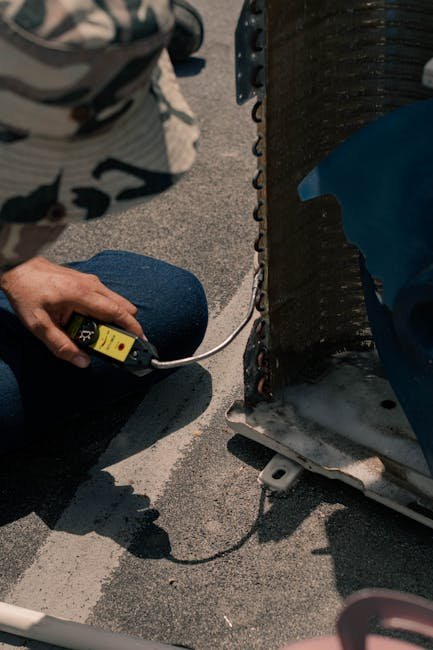
Summer Vehicle Inspection at Norm’s Auto Clinic
Norm’s Auto Clinic offers a summer vehicle inspection that covers battery load test, cooling system pressure test, AC system charge check, tire condition and pressure, belt and hose inspection, and fluid levels. This inspection takes about 45 minutes and provides real peace of mind heading into Oklahoma summer.
Call (918) 279-8100 or visit 11150 S 265th E Ave, Coweta, OK 74429 — Monday–Friday, 8am–5pm. Don’t wait until July to find out your car isn’t ready for Oklahoma summer.